
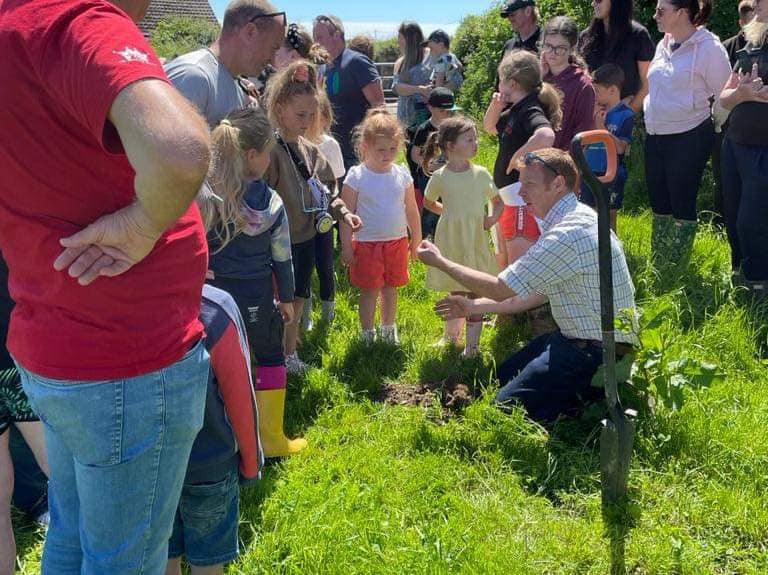
Is farming bad for the environment? Manx farmers are out to prove that the sort of traditional, small-scale farming that we see in the island is not a climate change villain.
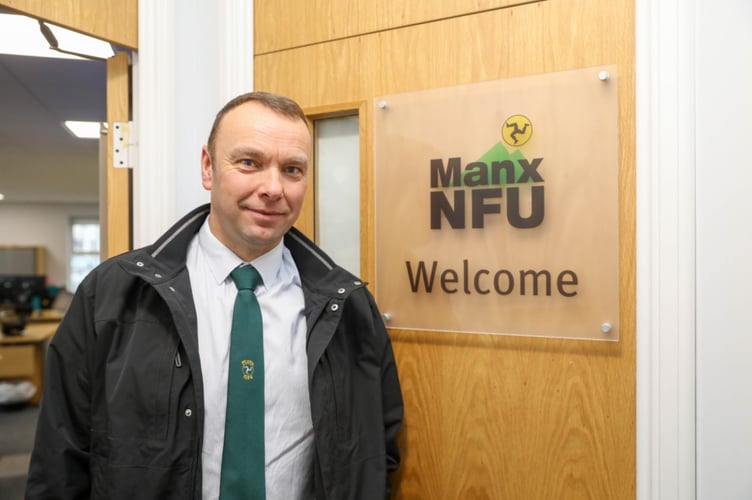
Manx NFU president Ean Parsons says: ’Agriculture has become a very easy target, especially on climate change. Manx agriculture is getting labelled the same as worldwide agriculture. British agriculture is some of the most environmentally friendly agriculture in the world but the Isle of Man is a significant step better than that.’
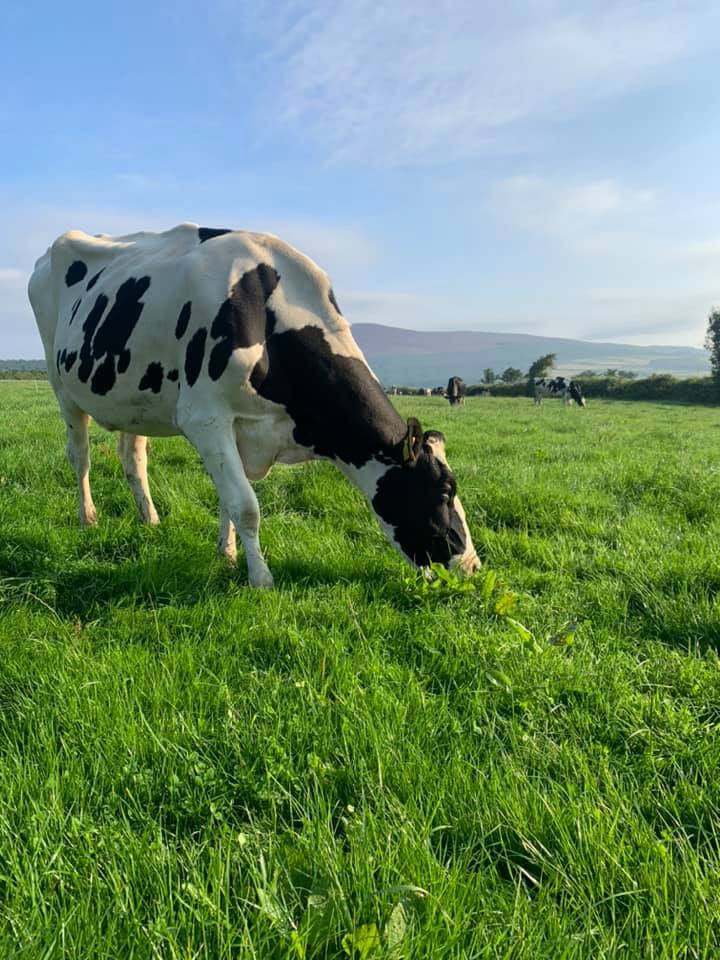
A good example of this is our dairy products. All the farmers who supply Isle of Man Creamery are signed up to the Isle of Man Grass Fed Scheme which stipulates that their cows will be out grazing in the fields for a minimum of 200 days of the year. This is more than the highest comparable schemes in the UK which are 180 days.
The scheme commits their farmers to ensuring that at least 70% of the cows’ diet is fresh or preserved grass. In reality this rises to above 80% in summer. Comparable UK schemes set a standard of 50%.
.jpeg?width=209&height=140&crop=209:145,smart&quality=75)
In the winter months most cattle, whether beef or dairy, need to be housed. Our climate means the ground then is very wet, so they are brought in to protect this precious grazing.
Why is grass so important? Apart from the acknowledged health benefits of eating meat and dairy products from predominantly grass-fed animals, grass also has its part to play in preventing climate change.
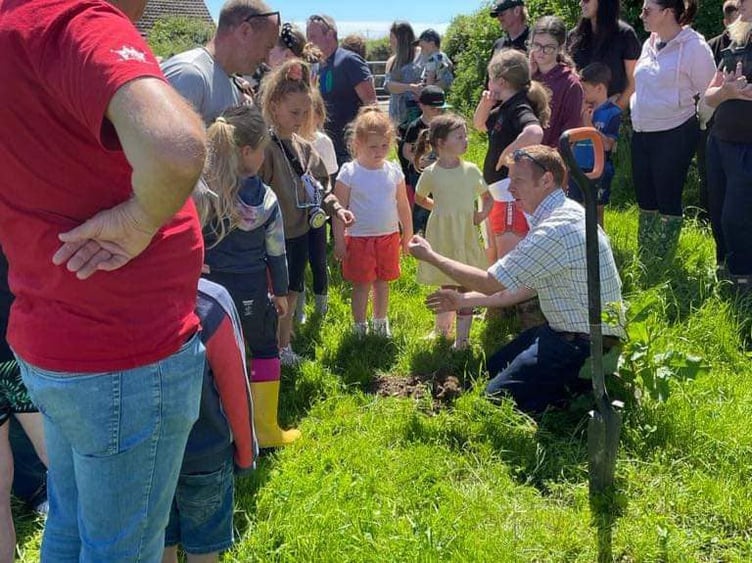
Chris Kneale from the Rural Business Consultancy explains why this is the case. He says: ’On the Isle of Man we grow very good grass and that is, predominantly, what most of our livestock eats.
’Grass-based systems sequester carbon and lock the carbon in the soils. Cows and sheep then graze the grass and release carbon dioxide, nitrous oxide and methane. These gases are broken down over time and utilised by the grass to grow. The system is cyclical and operates in harmony.
’Grassland has the ability to sequester carbon quickly, whereas a tree will take 40 years to mature and maximise its carbon uptake.’
When you take a look at farming practices on the island, the small fields with lush hedgerows and animals out grazing, it appears timeless. It’s impossible not to get a sense that this is how it should be done, both for animal welfare and for the environment.
Ean Parons says: ’The UK financial support for farmers during the 1980s encouraged mass intensification of agriculture - ripping out hedges, monoculture - whereas in the Isle of Man we never had those EU subsidies to produce more food.
’Now it’s done a complete U-turn and current UK policy is encouraging good environmental practices which, really, we’ve always continued.
’Geoff Sansome, the head of Natural England who advises Whitehall, came to the island and he told us: "You are where we in the UK are trying to get to".’
A few years ago, the Manx NFU, with financial support from DEFA, commissioned a series of carbon audit reports into seven farms across the island. These were farms of all types, from beef and sheep to dairy, to arable, between them representing the full cross-section of Manx agriculture. The results of those audits was presented to Tynwald in November last year.
Chris Kneale who carried out the audits, looked at the carbon sequestered by the farms, not only through accepted environmentally-friendly practices such as field margins, woodland, hedgerows, wetland and recycling, but also through grassland. He used the figure of 4.4t of carbon per hectare per annum, which came from a report published by the UN’s Food and Agriculture Organisation, for our lowland grassland, but halved the figure for our less productive upland grazing areas.
He says: ’Applying these figures to the seven farms surveyed suggests that, across all the farms, there is more carbon sequestered than is being emitted.’
Ean says: ’Of the seven farms, if you average it out, they would have come back as net zero already.
’Grazed grass, managed in the correct way, sequesters carbon so the Manx farming industry can produce food while also sequestering carbon.’
And, of course, the ability to produce quality food on our own doorstep, rather than importing it from the UK or further afield, is also important for the environment.
Chris says: ’Manx produce has travelled minimal distances, grown in the lush environment that we all love and value so much. You probably drove past the very fields where your dinner has come from without even realising it.’
But he acknowledges that his report is just a start. ’There is more work required to understand the carbon sequestration of grassland and also the different cropping techniques.
’There are a number of key areas that will improve both the financial performance of businesses and also their carbon balance.’
Chris suggests that these would include reducing waste; implementing low or no tillage techniques; efficient animal health management; utilising more productive grassland techniques; better use of clovers and reduction of nitrogen fertilisers, and planting and maintaining hedgerows, trees and conservation strips.
He says: ’These are all areas where focus will improve both farms’ carbon balance and profitability.
’For example in a dairy system, a 10% reduction in chemical fertiliser can reduce carbon output by around 2% per litre of milk sold. At the same time a reduction in fertiliser has the potential to improve water quality and also air quality.’
Ean Parsons says: ’Everybody has been challenged to reduce carbon emissions and agriculture as well has got a role to play. We know that Manx farming is environmentally friendly farming and I think we as a union have a role, going forward, to get more data to prove that.’
Comments
This article has no comments yet. Be the first to leave a comment.