
Early Icelandic settlements, a Roman villa in Italy, mental health in European POW camps, and Jewish immigration to Britain in the 1930s and 40s, are just some of the subjects to be discussed in this year’s UCM history and heritage public lecture series.
Programme leader Dr Catriona Mackie explained: ’UCM offers an undergraduate degree in world history and heritage through the University of Chester, so it’s only fitting that our lecture series reflects some of the diversity of subjects that are covered in the degree.’
But she added that those interested in Manx history and heritage won’t be disappointed, with lectures on 19th century circuses in the island, the monastic church of St Mary of Rushen, votes for Manx women and the Manx crosses.
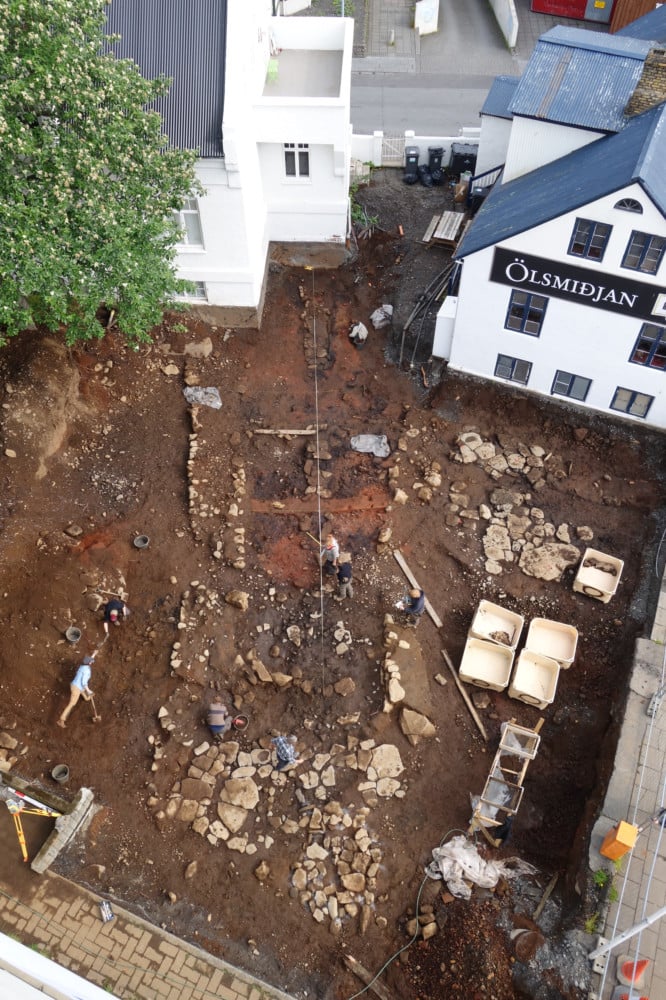
The first lecture takes place on Wednesday next week (September 27) when Icelandic archaeologist Dr Guðrú* Sveinbjarnardóttir from University College London will be speaking about ’The Early Settlement of Iceland: Archaeology and the Written Record’.
.jpeg?width=209&height=140&crop=209:145,smart&quality=75)
.jpeg?width=209&height=140&crop=209:145,smart&quality=75)
.jpeg?width=209&height=140&crop=209:145,smart&quality=75)
The lecture will explore evidence from recent excavations at Reykholt, which was occupied in the 13th century by the magnate and historian Snorri Sturluson, and will discuss what these have contributed to our knowledge of the development of settlements in Iceland.
During the 19th century, the Isle of Man saw many ’Evenings of Wonder’ as circus performers visited to entertain the island’s many visitors. Sue King’s lecture, on October 18, traces the history of circuses on the island, exploring the performers, the stages, and the developing nature of the circus acts.
Despite a lack of documentary and pictorial evidence, Sue has managed to bring together the stories of these extraordinary performers and their role in the Manx entertainment and tourist scene.
The history of Rushen Abbey is the subject of Dr Peter Davey’s lecture on ’The Monastic Church of St Mary of Rushen: Archaeology, Architecture and Function’ which takes place on November 15.
Recent excavations have thrown new light on many aspects of the Abbey’s history. The lecture will assess the archaeological and architectural evidence provided by the church in the context of the Savignac/Cistercian expansion within the British Isles and Scandinavia.
On December 13, Dr Mike Hoy will explore the House of Keys Election Act of 1881 which finally gave some Manx women the right to vote.
The lecture will explore the story of Manx franchise reform in the late 19th century in the contexts of women’s traditional rights in early-medieval and modern Scandinavia, the suffragette movement in Manchester, and the campaign for female emancipation in New Zealand.
Dr Richard Fletcher of University College London will explore recent excavations at a hidden valley in southern Italy known as ’The Vulture,’ originally thought to be archaeologically barren.
’The Vulture Archaeological Project’ has uncovered an area rich in large farms, villas and bathhouses that has been continuously occupied since the Palaeolithic period. This lecture will take place on January 17 2018.
Internationally renowned Viking expert, Professor Sir David Wilson, gave a fascinating and thought-provoking lecture on the Manx crosses in last year’s lecture series.
He will revisit the subject on February 21, exploring the Manx crosses of the 10th century Scandinavian settlement on the island. The lecture will examine the imagery and language of the sculptured crosses to explore the world of the early Scandinavian settlers and their conversion to Christianity.
Leah Jamieson’s lecture will explore the plight of Jewish refugees in Britain and Palestine during the 1930s and 40s. Her lecture will examine contemporary attitudes towards immigration and the growing humanitarian crisis, emphasising the precedence given to British interests during this period. It will also draw parallels with current attitudes towards refugees, highlighting the question of the obligation and responsibility of nations to accept refugees. ’Refused Refuge’ takes place on March 21.
In the final lecture of the series Stacey Astill will speak about mental and physical health in European Prisoner of War Camps during the Second World War. Her lecture will explore the realities of mass incarceration and the effects this had on the prisoners’ health, from barbed wire madness, to eating disorders, and shoveller’s fracture. ’Stalag Loopy, Stalag Mad’ will take place on April 18.
Following the success of last year’s lecture series, the lectures are moving to a bigger venue, the Main Hall, on the ground floor at UCM. Lectures are held on Wednesday evenings, from 6pm to 7pm. Attendance is free and no booking is necessary. Further details can be found at http://catrionamackie.net/lectures/.
For more information about the degree in international history and heritage or UCM’s history and heritage evening classes, visit www.ucm.ac.im
Comments
This article has no comments yet. Be the first to leave a comment.