
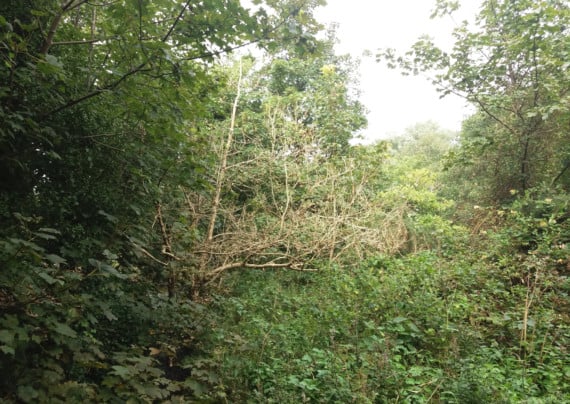
This year has been a particularly bad one for the spread of diseases among trees.
Dutch Elm disease has infected 222 trees this year, which is 78% worse than usual, however Department for the Environment, Food and Agriculture says ’it fluctuates between good and bad years.’
The department is also unsure if the speed that the disease is spreading is part of a long-term trend or is just a short-term blip.
Ash dieback is the most widespread disease in the island and because of its nature it is extremely hard to control and manage.
.jpeg?width=209&height=140&crop=209:145,smart&quality=75)

The UK government’s forestry research is running trials to find trees with a resistance to ash dieback, however the DEFA is opting to take a different approach.
The department is removing trees with the disease when it appears and will continue to do so until they are able to plant the trees that are resistant to the disease.
A DEFA spokesman said: ’As a result [of Ash Dieback] the island is likely to lose many of its ash trees, which are currently a common feature of woodlands, field boundaries and roadsides.’
’Forest Research UK is running resistance trials to find trees with inherent resistance within the UK population which if successful the future breeding of tolerant trees may allow planting of ash again at some point in the future.’
There has also been an influx of applications for licences from private landowners for ash trees to be taken down this year.
Larch Tree disease (also known as sudden oak death) has spread through many of trees, some of which have been left up as the department is felling the trees only for safety reasons.
Comments
This article has no comments yet. Be the first to leave a comment.