

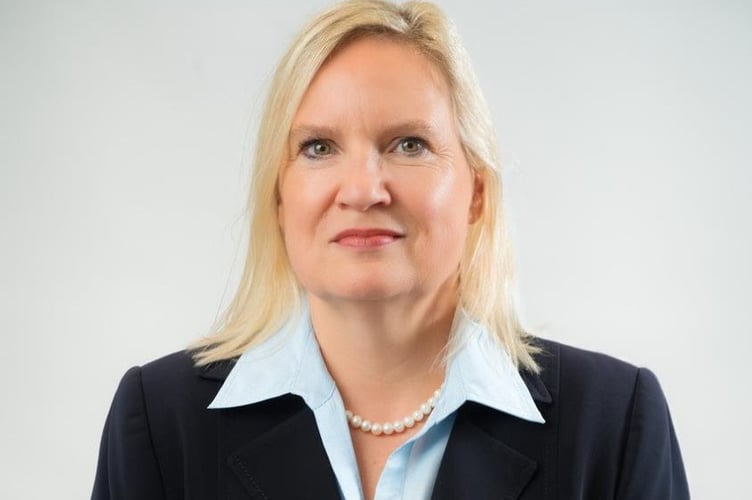
The island’s financial services regulator received £1m income from discretionary civil penalties last year, its latest annual report reveals.
A total of £1,027,535 was paid to the Financial Services Authority for discretionary penalties levied on regulated entities in the financial year 2024-25.
This was down from £1,581,811 in 2024 but still well up on the £307,292 received in 2023.
A total of three discretionary penalties were issued during the year which were levied following enforcement actions or settlement agreements.



.jpeg?width=209&height=140&crop=209:145,smart&quality=75)
The FSA’s latest annual report will be laid before the April Tynwald.
In it, it says it is committed to working in partnership with industry to maintain the island’s reputation as a ‘trusted, well-regulated and innovative jurisdiction’.
But the regulator has been criticised for apparently clamping down on relatively minor breaches of compliance within the industry.
Leading law firm Appleby wrote to Ministers and other politicians last year to express its ‘deep concern’ over ‘onerous’ proposals to introduce civil penalties for individuals working in the island’s financial services sector.
Its letter said the FSA had been widely perceived as having taken an ‘unfair and draconian’ approach to imposing civil penalties.
The FSA receives an annual government grant, but it has been moving towards a predominantly industry-funded model.
This had reduced the level of grant funding required, down from £1,192,188 in 2024 to £842,521 last year.
From April 2023 income from discretionary civil penalties has been offset against the authority’s enforcement costs.
Any remaining balance is passed to the Treasury. Last year, a sum of £143,362 was transferred, down from £623,382 in 2024.
The FSA also received a total of £40,050 in respect of administrative civil penalties, down slightly from £50,050 in 2024.
Fee income for 2024-25 was £7.29m, up from £6.3m in 2024 and £4.2m the year before.
Total expenditure of £9.17m, including salaries of just under £7.63m, matched total income to produce a nil surplus.
Focus for the FSA over the past year has been on contributing to the updated National Risk Assessment which was published in March.
This concludes that the overall risk to the Isle of Man from international money laundering remains ‘medium high’.
The other main focus for the regulator had been preparing for the forthcoming MoneyVal evaluation which takes place in October this year.
MoneyVal is the permanent monitoring body of the Council of Europe that assesses compliance with international standards.
Bettina Roth, FSA chief executive and board member, said: ‘The MoneyVal assessment will have an impact on our international reputation, so it is essential for the public, private and third sectors to work collaboratively in the best interests of the island.
‘It is important to remember that the standard for compliance will be much higher than before.
‘The Isle of Man will be required to provide a substantial amount of good quality data to evidence the effectiveness of the systems in place to combat financial crime.’