

There have been four more deaths related to Covid-19 in the island.
The deaths were confirmed in the government’s weekly surveillance report.
It takes the total number since the start of the pandemic to 77.
Covid deaths on the island are those where Covid-19 is mentioned anywhere within the death certificate.



This differs from the definition used by Public Health England, who classify a Covid death as ’people who had had a positive test result for Covid-19 and dies within 28 days of the first positive test result.’
According to the report, the island continues to be in the plateau phase of the fourth wave of Covid infection, driven by the Omicron variant which remains the dominant strain, accounting for the majority of our cases. The current seven-day average for reported positive results is around 58, but the current trend of reported positive results is levelling off.
The effective reproduction number (Rt) was 0.65 this week, which supports the belief rate of transmission is levelling off.
Covid-19 numbers on the island last spiked significantly in the weeks after Christmas Day/Boxing Day and New Year’s Eve, when many people gathered in significant groups.
The latest figures available show that three people were in hospital and that there were 275 active cases on the island. A week earlier it was 491. .
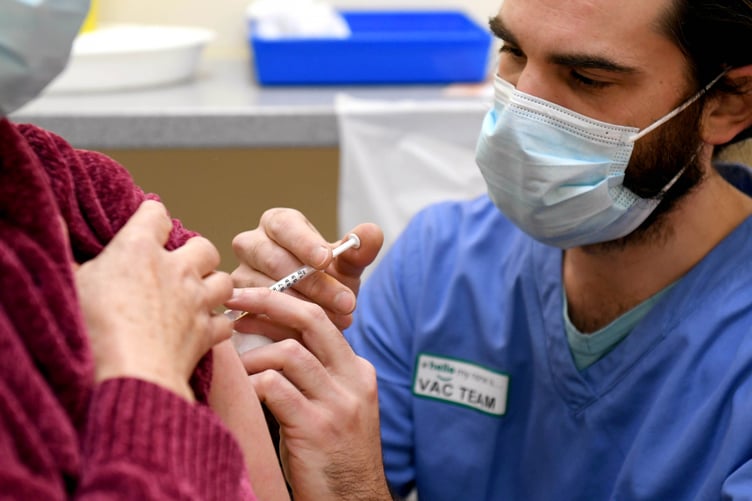
Meanwhile, island residents are still being encouraged to take up the opportunity to get their Covid-19 vaccination.
Last week, the government announced plans to move to an endemic approach at the end of March, which is largely due to the island’s vaccination programme.
More than 90% of the eligible population have had two doses and 73% have had a booster.
In a statement, the government said: ’Vaccination remains the key defence against Covid-19 and availability and uptake of vaccines will play a crucial part in ensuring that the island is in the position where regulations can be removed whilst the community is still protected.’
Vaccines are currently being offered to the following cohorts:
lTwo paediatric doses for clinically vulnerable five- to 11-year-olds and those who live with someone who is immunosuppressed at least eight weeks apart
lTwo primary doses for anyone aged 12 to 17 not in an at-risk group at least 12 weeks apart
lTwo primary doses for anyone aged 12 to 17 in an at-risk group at least eight weeks apart
lTwo primary doses for anyone aged 18 or over at least eight weeks apart
lThird primary dose for immunosuppressed individuals aged 12 and over at a period to be determined by their specialist (normally eight weeks after second primary dose)
lBooster vaccines for anyone aged 16 and over and those aged 12 to 15 in at-risk groups at least three months after second or third primary dose
The latest data from the UK’s Health Security Agency (UKHSA) shows that both the Comirnaty (Pfizer/BioNTech) and Spikevax (Moderna) vaccines are proven to be up to 96% effective against hospitalisation after two primary doses.
Evidence also suggests that protection from the two primary doses declines over time, with the booster vaccine increasing this back to over 90%.
Lawrie Hooper MHK, Minister for Health and Social Care, said: ’The vaccines are our best line of defence against the virus, and are the main reason the Council of Ministers feels the island is ready to move to this new approach.
’In order to ensure that the island can move forward with this approach and minimise the need for continuing Covid restrictions, it is vital that anyone who is eligible for the vaccine comes forward and gets the full course, not only to protect themselves but also to protect our community and the capacity within our health service.
’The latest data highlights the importance of getting that increased protection from Covid and reducing the chances of ending up seriously ill or needing hospitalisation.’
Dr Henrietta Ewart, director of public health, added: ’If you have had Covid, you need to wait four weeks from your positive test to have your booster.
’So if you were one of the many people who tested positive around the festive season and had to delay your booster, it’s time to come forward.
’Infection will give some immunity but it is less predictable than vaccination and vaccination will give you valuable increased protection.’
She added: ’It is also extremely important that individuals who have had their third dose due to being clinically vulnerable take up the offer of a booster jab. Getting the vaccine is the best way to prevent the likelihood of becoming seriously unwell from Covid and is all the more important if you have a weakened immune system in helping ensure you are protected.’
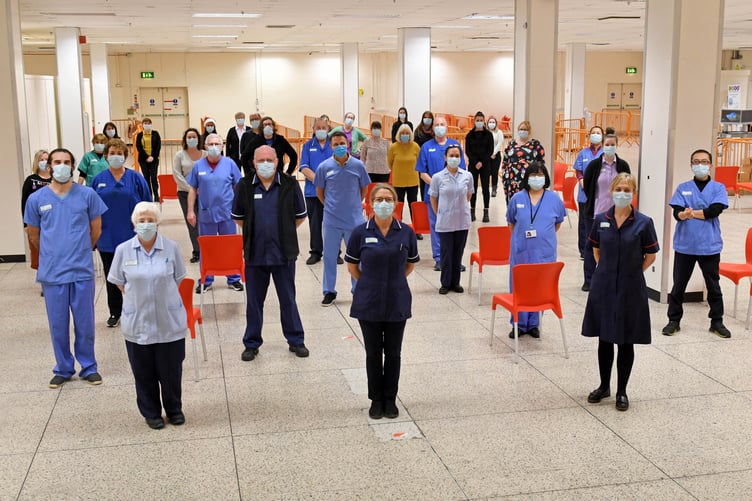
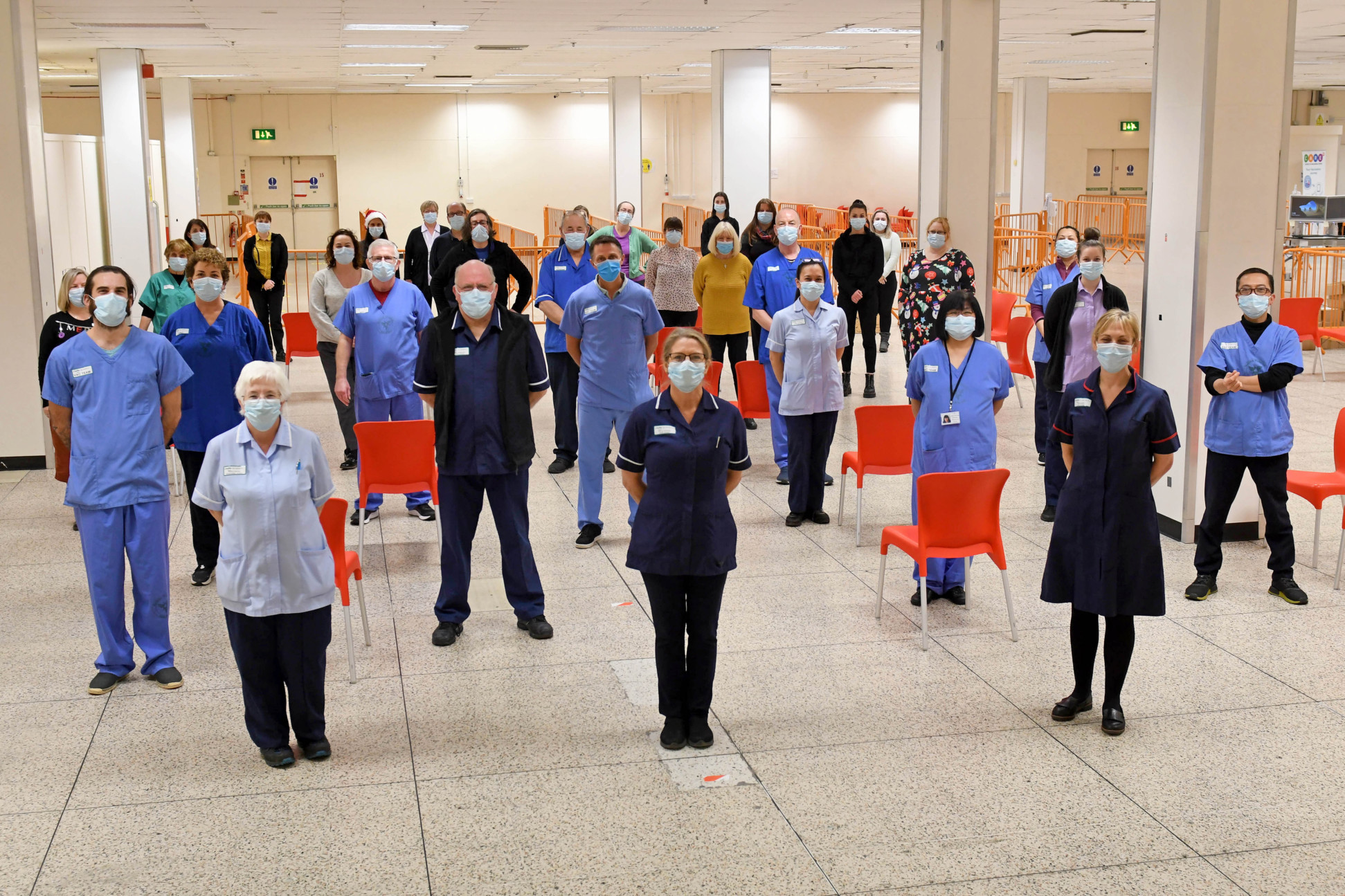
The vaccination team is continuing to hold walk-in clinics at various locations across the island throughout the month, offering first, second, third and booster doses for anyone aged 12 and over who is eligible.
Paediatric doses for the five to 11 at risk groups are being delivered at a specific appointment only clinic tomorrow (Saturday, February 12), and parents are encouraged to preregister their children online for an appointment.