
State pensioners below the age of 75 will lose the right to free prescriptions, eye tests and dental treatment under proposals unveiled today.
The public is being consulted on proposals to make the law governing how the health service works more flexible to meet current and future needs.
Changes are proposed to the contribution individuals make towards the cost of their prescriptions, sight tests and dental treatment.
Prescriptions would increase from £3.85 to £5 per item, except for those individuals who are exempt.

.jpeg?width=209&height=140&crop=209:145,smart&quality=75)

The contribution towards the costs of dental treatment would increase, from between £18.50 and £219 to between £20.60 and £244.30, except for those who are exempt.
Free annual eye sight tests will be available every two years rather than one, and there will be a £10 contribution towards the cost, except for those who are exempt and entitled to a voucher.
Those who would no longer be exempt from making a contribution would include people aged between state pensionable age and 75, those with specific medical conditions;and women who are pregnant or who have given birth in the past 12 months.
As with the wider public these groups would be able to cover all of their prescriptions through the purchase of an annual pre-payment certificate.
These will increase in price under the proposals from £19 to £20 for four months and £54 to £60 for 12 months
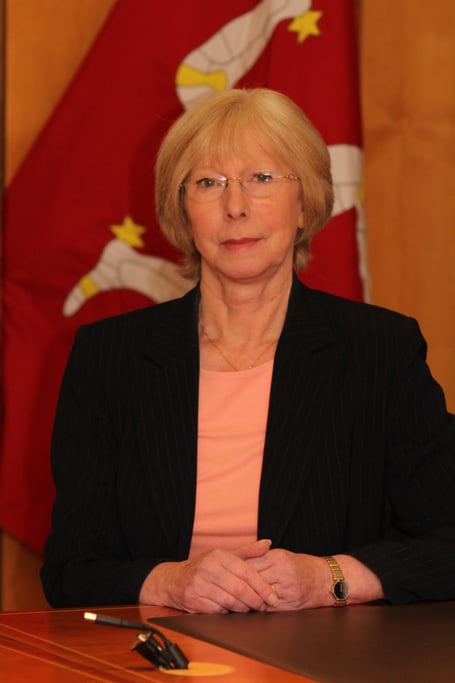
Health and Social Care Minister Kate Beecroft said: ’There is no new money and if we want to provide services such as the pressing need to introduce a 24-hour thrombolysis service for people who suffer a stroke, then something has got to give.’
She added: ’This is not just about charging people to make up a deficit. This is about improving the service we provide.’
Mrs Beecroft said the saving would be ’£1m-plus’ but it was difficult to give a figure until it was known how many would use the pre-payment certificates.
The proposed changes also see protection of the exemption from charges for young people aged under 16 or under 19 in full-time education, those aged 75 and over, those in receipt of income support, jobseeker’s allowance, incapacity benefit, employed person’s allowance, or a war disablement pension and those in prison.
Comments
This article has no comments yet. Be the first to leave a comment.