
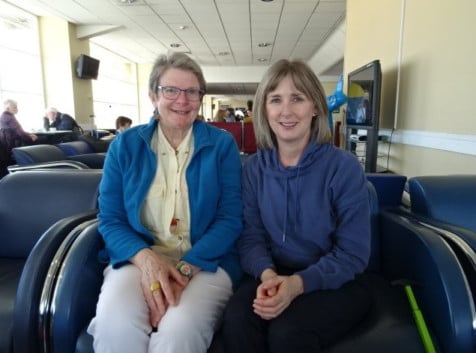
Jayne Hanley, trustee of Manx charity Developing Orphans (DO!), has recently got back from teaching sex education to child-led families in Uganda.
She spoke to reporter Jess Ward about the charity’s next steps to improve the community’s understanding of the topic.
Sex education is a necessary and important topic to discuss with young people, no matter how awkward it can be.
It is even more essential in a country that has the second youngest population in the world, where early sex in teenage years is widespread and a major contributor to the spread of sexual diseases, such as HIV, and teenage pregnancy.


-(2).jpeg?width=209&height=140&crop=209:145,smart&quality=75)
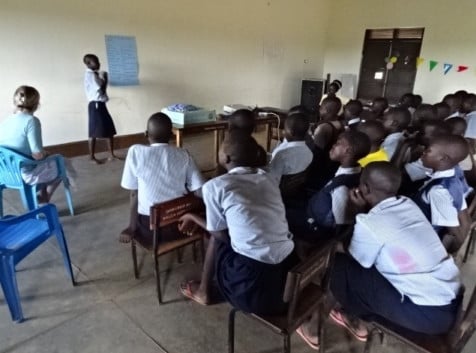
Jayne, a qualified nurse from Douglas, was asked to lead an initiative called Sex Health and Reproduction Education (SHARE) for young adults at Broadway Nursery and Primary School in Uganda - set up by DO!.
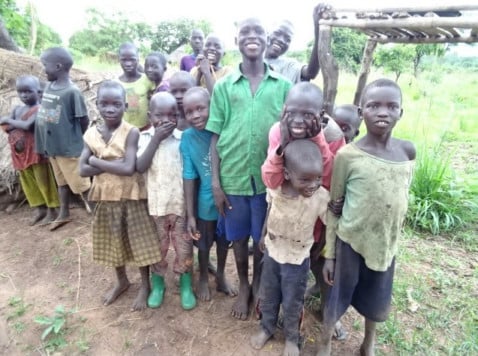
The charity was created to support and educate orphaned children who have been left destitute by war, famine, and natural disasters.
During her time at the school in Padibe, Jayne discovered that many youngsters and even some adults within the community had no idea where babies came from.
’They didn’t understand how conception works, which was quite shocking,’ said Jayne, who has worked with the small charity for more than two years.
She added: ’Some of the orphans had had children and they still didn’t fully understand conception or how to protect themselves.’
Due to the severe lack of understanding throughout the country, myths such as getting rid of HIV/Aids by having sex with a virgin have circulated, which has left the orphans in more vulnerable state.
Concerns were raised by one of the teachers at the school, as they did not have a training programme on sexual health in place and some of their teenage students had become pregnant.
Jayne visited Broadway school to specifically provide this training.
She said: ’During the trip we were motivating teachers to give sex reproduction education, so they can get behind the message and roll it out.
’The programme was looking across the whole community, as well as young people at the school.
’The children and some of the teachers didn’t understand the basics of conception and how their body works including puberty.
’The students’ parents had been killed in the war and so the young population didn’t have the message being passed down,’ she explained.
Feeling that more could be done to prevent young girls from endangering themselves and dropping out of education, as well as providing information about sexual health in general, Jayne is looking to establish a more ’constant’ initiative by setting up a SHARE centre.
’I’m planning to get a programme going to change the way this culture is understanding sexual health,’ she said.
’I’m hoping to get a special classroom set up at the school for the kids to access easily, as well as having a mobile unit run by a community group of ladies where adults and teenagers can have monthly meetings about how they can protect themselves.
’That way people can have the message and then "share" it with others.’
Jayne will ’personally’ take care of the programme, called Challenge 1000, with another visit in the near future.
She said: ’If a thousand people hear about this and respond with just £10, I would have enough money to do that.’
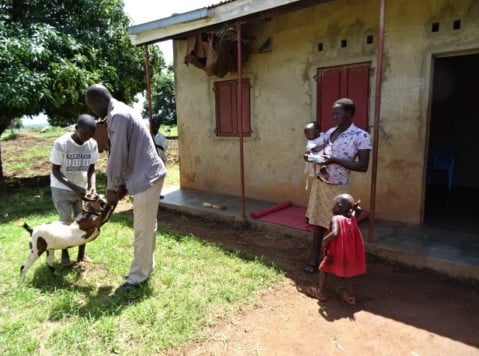
On the same trip, DO! also provided the school with further supplies to help the children develop a self-sufficient way of life.
This included the purchase of goats and chickens, as well as educational resources.
Visit the charity website at www.developingorphans.org.uk
To make a donation towards the Challenge 1000 you can contact Jayne on 408335 or email [email protected]
Comments
This article has no comments yet. Be the first to leave a comment.