
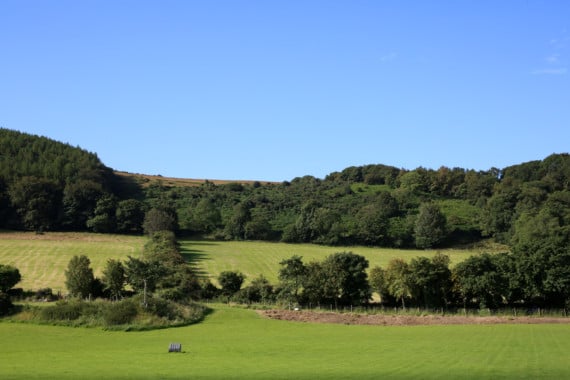
The dream of linking the woodland around Ramsey to create one vast forest has moved a step closer thanks to a wildlife charity buying land.
Manx Wildlife Trust has completed the purchase of Crossags Coppice, with the help of funding from the Society for the Protection of the Manx Countryside and Environment.
Crossags Coppice is a five-acre field of bracken and gorse that has already been planted in 2015 and 2016 by Manx Wildlife Trust with more than 1,000 native hazel, oak and birch.
MWT described it as an area of ’great natural beauty for its population of over one million bluebells that flower every May’.
.png?width=209&height=140&crop=209:145,smart&quality=75)


This led for the beginning of conservation work in Claughbane Plantation to start to naturally spread the bluebell populations over nearly a mile of wooded hillside.
The Manx Wildlife Trust intends to manage Crossags Coppice as a traditional woodland, similarly to how Manx woodlands were managed until the 20th century.
Management of the land allow the Manx Wildlife Trust to promote the bluebell populations, encourage bird nesting, bat feeding and butterfly populations.
And it is hoped this will also allow for more and better access to Ramsey’s wildlife for people through its path network.
Andree Dubbeldam, MWT’s conservation officer, said: ’We will manage this reserve as hazel coppice woodland where trees are cut down on a regular basis to harvest poles.
’This type of management is especially good for wildflowers, butterflies, bees and songbirds.
’While most woodlands take over 100 years to reach maturity and gain full biodiversity, hazel coppice woodland will be a great habitat in as little as six years.
’The paths in the woodland will allow anyone to visit the reserve.’
The land will form part of the MWT’s Ramsey Forest Project and will help close the gap that connects all the ancient woodlands around Ramsey such as Ballure Glen, Elfin Glen and Glion ny Grawe and act as a wildlife corridor.
The Ramsey Forest Project is a 30-year plan to create a new forest around Ramsey with the aim of increase woodland coverage from 20% to 30% covering an area of 20 square kilometres.
Mr Dubbledam said: ’It’s a great example of wildlife connectivity, with the site joining important woodlands up. It also helps show the benefits of a wilder future, with landscapes like this increasing wildlife, helping us stay healthy getting outdoors and connecting with nature, and it’s all part of how our natural environment can help the climate emergency.’
Tim Graham, the chief executive of MWT, added: ’It’s all part of some great work that has really energised the community with hundreds of volunteers helping out, including Ramsey Rotary Club who planted native trees and we work closely with local schools.’
Comments
This article has no comments yet. Be the first to leave a comment.