
It is estimated that more than 40% of the UK’s cat population lives in a multi-cat household, which is at odds with the fact that the cat is, essentially, a solitary creature.
It can feed, hunt and sleep on its own, and as a species it is incredibly self-reliant.
This places obligations on owners of more than one cat to understand the needs of their pets, and to take the necessary steps to minimise stress levels caused by co-existence with another feline. Veterinarians report that the most common illnesses found in cats are stress-related. These include urinary infections, digestive problems, skin disease and high blood pressure - all of which can be life-limiting or even fatal.
It’s not easy to tell if your cat is stressed because when a cat experiences chronic stress-inducing stimuli that it can’t escape from, it may attempt to stop doing so and ’give up’. As a result of this state of helplessness the cat appears to be coping when, in fact, it is still distressed.




Signs of stress can be more obvious, though, and research suggests that most feline behaviour problems start to present themselves when the cat is classed as socially mature - i.e. around the age of two.
House soiling is the most common sign, with cats scent-marking either by urinating or leaving ’little presents’ in various parts of the house.
Stress can also manifest itself in the cat being aggressive towards other cats or humans, over-grooming, and by excessive vocalisation.
Owners are often surprised to hear that their pets are stressed due to the home environment they are living in, but they can take action to ensure more of their cats’ needs are met by providing:
A place of safety: a secure area, ideally in a raised location and partially concealed, to which the cat can retreat when it feels under threat
Separate resources: food, water, scratching posts, litter trays and sleeping areas should be placed in areas away from family activity and be located in a way that cats in the household can access them without having to pass another cat
An environment that respects a cat’s sense of smell: avoiding the use of scented diffusers or perfumed cleaning products, or bringing in outdoor smells on footwear or bags
Human interaction: cats generally prefer low-intensity but high-frequency interactions with owners, with the control of the interaction being left to the cat.
An individual cat’s sociability will be dependent upon its genetics (every kitten in a litter may have a different father and hence a different genetic blueprint), and early experience and breeding environment.
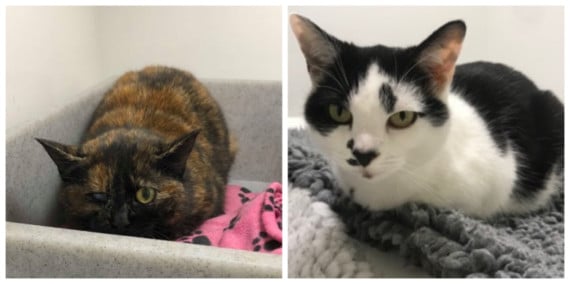
We have two cats in our cattery at the moment who come from very different backgrounds, and whose display correspondingly different behaviours.
Two-year-old Yukio came from a farm, and is used to being around other cats - in fact, she seems much happier when she’s in the company of fellow felines. She’s a bit shy when she’s first approached, although she soon starts to purr when she’s stroked, and so she needs a patient and understanding new owner who will continue to develop her confidence and trust.
One of her eyes is cloudy as a result of a past infection, but it doesn’t cause her any pain and it isn’t contagious. It simply makes her more unique!
Five-year-old Binxy has spent the last few years with children, but she really doesn’t like them. She’s much happier being the centre of attention and so, ideally, she needs to be the only pet in her new home. She’s a sweet natured cat, and she simply wants to lead a quiet life with a loving human by her side.
Comments
This article has no comments yet. Be the first to leave a comment.