
These last few of weeks of lockdown may have given you the opportunity to observe the wildlife around you more closely, especially if you’ve been working from home.
Last week’s article discussed the mutual benefits of observing and feeding wild birds when we’re out on our daily walks, but closer to home there’s lots we can do to support wildlife if you’re lucky enough to have a garden or back yard.
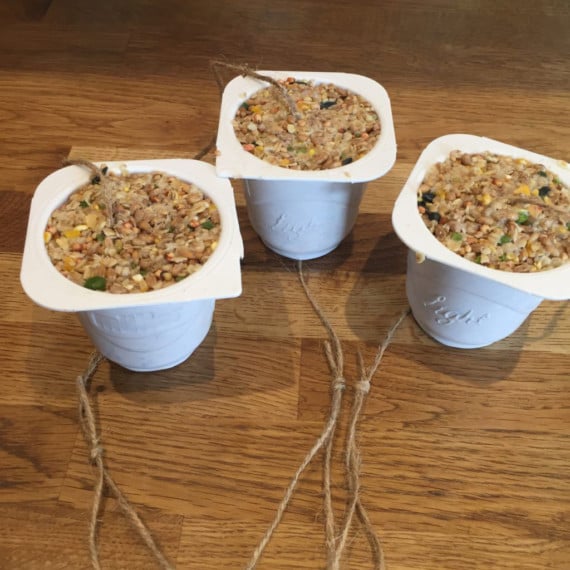
Why not make some fat cakes?
They’re a great and inexpensive way to provide vital energy and vitamins to garden birds, and they’re so simple to make.
.jpeg?width=209&height=140&crop=209:145,smart&quality=75)
-(1).jpeg?width=209&height=140&crop=209:145,smart&quality=75)


The best fat to use is lard or suet which binds together the other ingredients - these can include dried fruit, nuts, porridge oats, and those small lumps of cheese that have gone a bit hard and which seem to linger in the fridge (as long as they’re not mouldy).
Old pieces of bread (again, not mouldy) can also be used in moderation.
Melt the fat slightly and simply mix in in the ingredients, and then be as creative as you wish when choosing what container to use - old milk cartons or plastic bottles with the bottoms sliced off; empty yogurt pots; small plant pots â?¦ the list is endless.
Simply thread string through the top of the container so that you can hang it out of the reach of cats, pour in the fat ball mix, and allow it to harden.
Clean, fresh water is also vital for our garden birds, especially when natural sources may be frozen, so top-up your bowls daily.
And why not take part in the 2021 RSPB Big Garden Birdwatch?
It’s taking place this weekend, from January 29 to 31 and all you have to do is spend an hour looking out for the birds that land in your garden or yard, and then record your findings on the RSPB’s website. The data helps the RSPB analyse trends and patterns in bird numbers, and to identify the challenges faced by certain species.
By taking part you’ll also be able to access live quizzes, top tips about how to photograph wild birds, and interactive sessions with bird experts.
What else can you do at this time of year to help wildlife in your back garden?
Start to make a compost heap, which not only reduces the amount of waste you produce, but it will naturally enrich your soil when you use it, and provide a great habitat for worms, woodlice and many other insects.
You may also be lucky enough to attract frogs to live in it, and so please be careful when using a garden fork to spade to dig into it.
Another cautionary note is to only use raw food rather than anything that’s cooked because this will attract rats.
The National Trust has a step-by-step guide to making a perfect compost heap on its website - www.nationaltrust.org.uk/mottisfont/features/make-your-own-compost
We’ve mentioned ’hedgehog highways’ on several occasions in these articles, and they really are an important way to help these wonderful mammals survive.
Hedgehogs will be coming out of hibernation at the end of March and so why not see how many holes or gaps you can create in your garden fencing, which will enable your local hedgehogs to move about between gardens at night as they forage for food.
The highways may also lessen the need for the hedgehogs to cross over roads.
Don’t use slug pellets, which will poison hedgehogs, and if you have a pond please make sure there’s a ramp on one side to help a hedgehog who may inadvertently fall in.
As spring arrives, don’t rush to resurrect your lawnmower from the shed, and think about what areas of your lawn you can leave to grow.
Long grass will enable wildflowers, such as daisies and white clover, to flower in profusion and attract a variety of insects, which will lead to enhanced pollination. And don’t be too hard on your weeds - buttercups and dandelions flower for a long time no matter what the weather, and they provide food for insects, including butterflies, when other sources may be scare.
Comments
This article has no comments yet. Be the first to leave a comment.