
The Manx Wildlife Trust is keen to help people to connect with nature. Although it is harder to get out and about, as we are currently in lockdown number three, you can still enjoy nature from your own home.
Did you know that simply observing nature through your window is very beneficial?
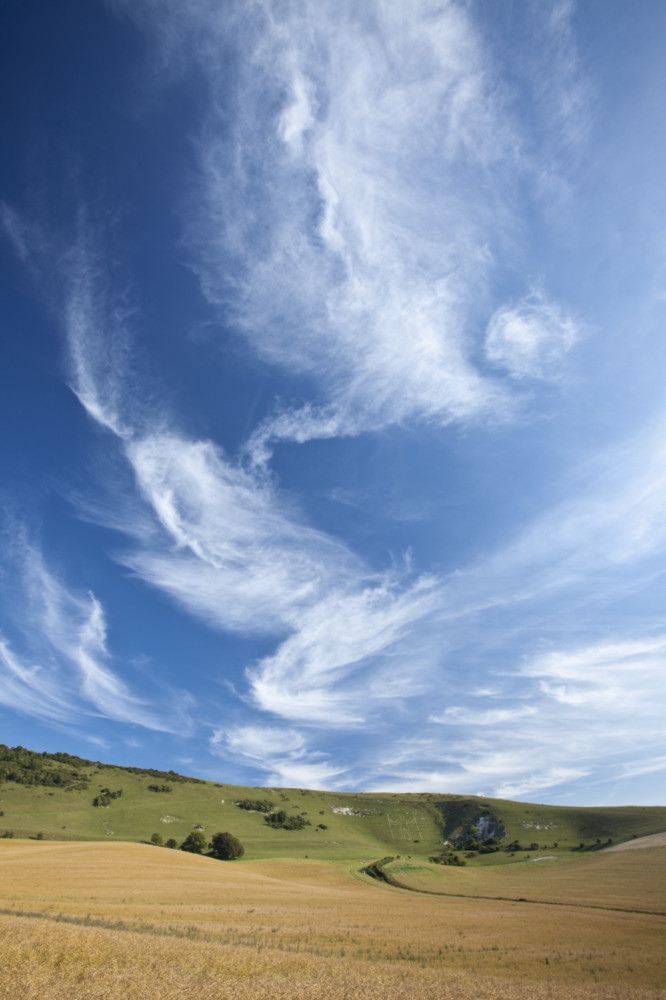
Why not grab a cuppa and stand in front of your window to relax and unwind. Here is a simple little activity for old and young: Cloud watching.
Take some time to observe the clouds. There are many things you can take notice of.




Which direction are they moving in?
Are the higher-level clouds moving the same way as the lower clouds?
Are they high in the sky or lower?
Are they small fluffy clouds or a continuous band?
Do they have a pattern to the clouds?
All these can help you identify what sort of cloud you are looking at.
High-level clouds tend to be name with the suffix ’cirro’, whilst medium-level clouds have the suffix ’alto’.
Clouds that look like layers usually have ’stratus’ in their names, fluffy clouds have ’cumulus’ and rain bearing clouds have the lovely name ’nimbus’.
Why not take it further and keep a cloud watch diary for a week?
Or get messy with watercolour paints, take a sheet of paper and paint water over it, then drop some blue paint in patches and watch the clouds appear in your picture.
There is always the popular game ’What does your cloud look like?’
For a guide to clouds you can download a spotting sheet from mwt.im
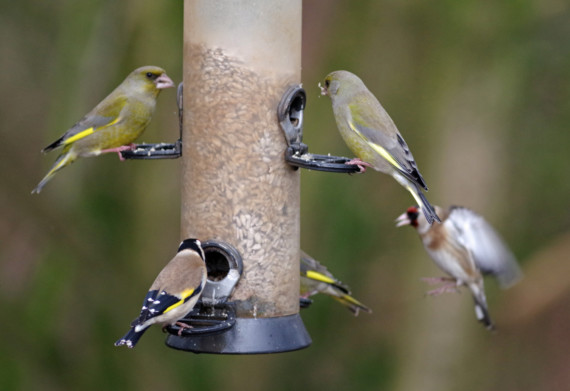
The next activity you could try is bird watching, using the garden birds that like to visit your bird feeders.
If you have bird feeders, try and put the food out at the same time each day.
There are three peak times for birds coming to feeders in the winter (according to the British Trust for Ornithology).
Early morning, as the birds top up their energy levels after roosting overnight, and later in the afternoon as they get ready for night time roosting.
These times help the birds avoid predators.
There is a third peak at mid-day when the feeders are often visited by the smaller and more timid birds, as this is a time the more dominant birds are likely to visit.
Do feed the birds all year around not just the winter, as it increases their chances of survival and counteracts any periods of food shortages.
High-energy foods are best for winter and autumn, such as fat balls and suet, while more protein-based foods, such as black sunflower seeds, grated cheese, and mealworms, are best for spring and summer especially for birds which might be moulting.
Avoid whole peanuts over the breeding season as these can choke chicks and, if you do feed mealworms, please do pick up any that fall to the ground as hedgehogs adore eating them.
Unfortunately, this can cause bone deformities in young hedgehogs.
If you have young children and would love them to watch the birds, then try taping some paper over a window overlooking the bird feeders, and cut slots in the paper at eye level for the children to look out.
That way any excited movements they make will not frighten off the birds.
Why not even keep a tally of the birds you see?
You can download spotting sheets and guides from mwt.im
Feel free to post any photos you take of garden birds onto our Facebook page using #closertonature
We love seeing them.
Why not stick some of our spotting sheets with birds onto the paper, you can download these from our website https://www.mwt.im/what-we-do/bringing-people-closer-nature and check out the resources. Or why not even keep a tally of the birds you see.
Post any photos you take onto our Facebook page using #closertonature we love seeing them.
Comments
This article has no comments yet. Be the first to leave a comment.