

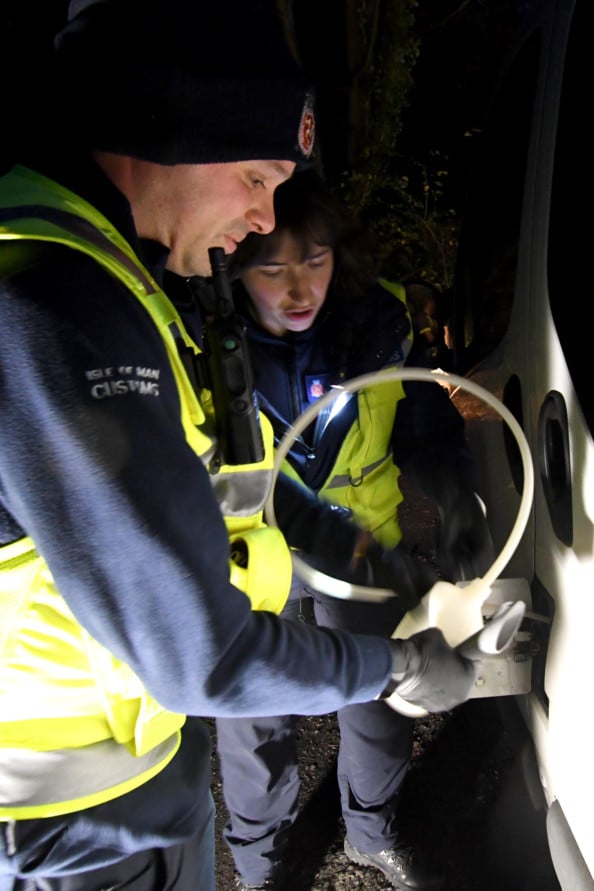
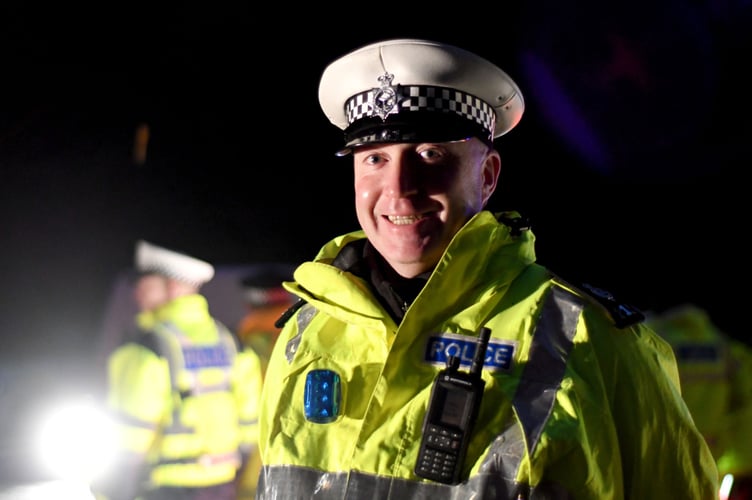
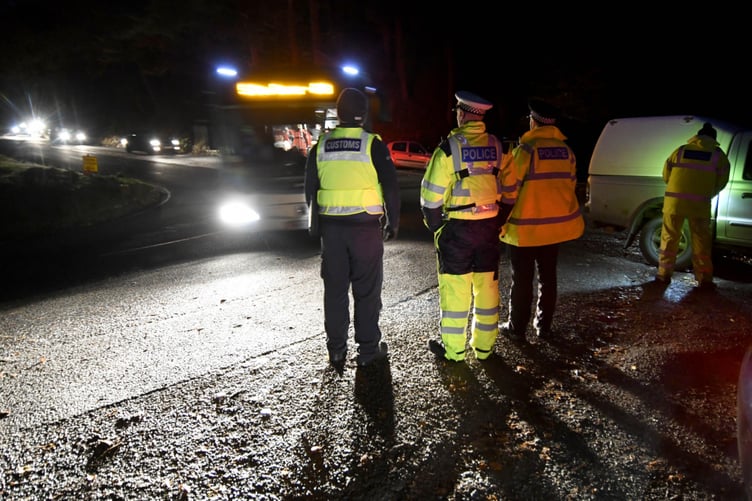
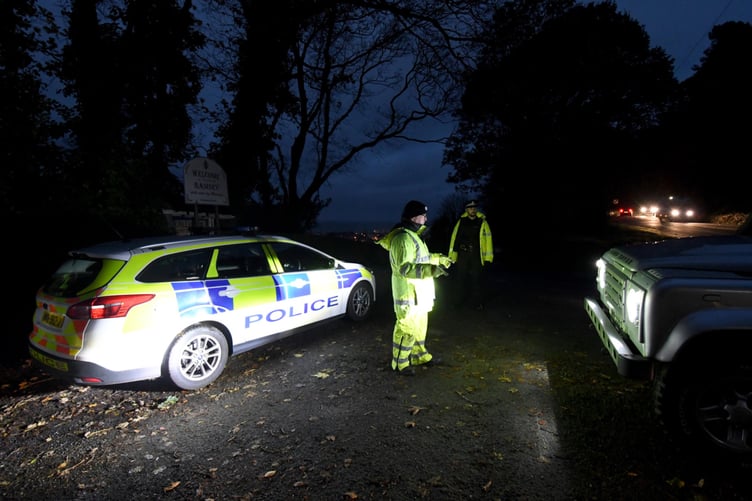
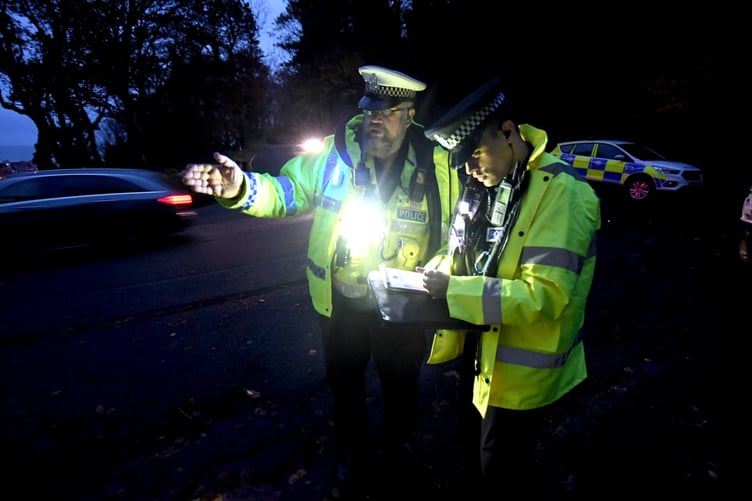
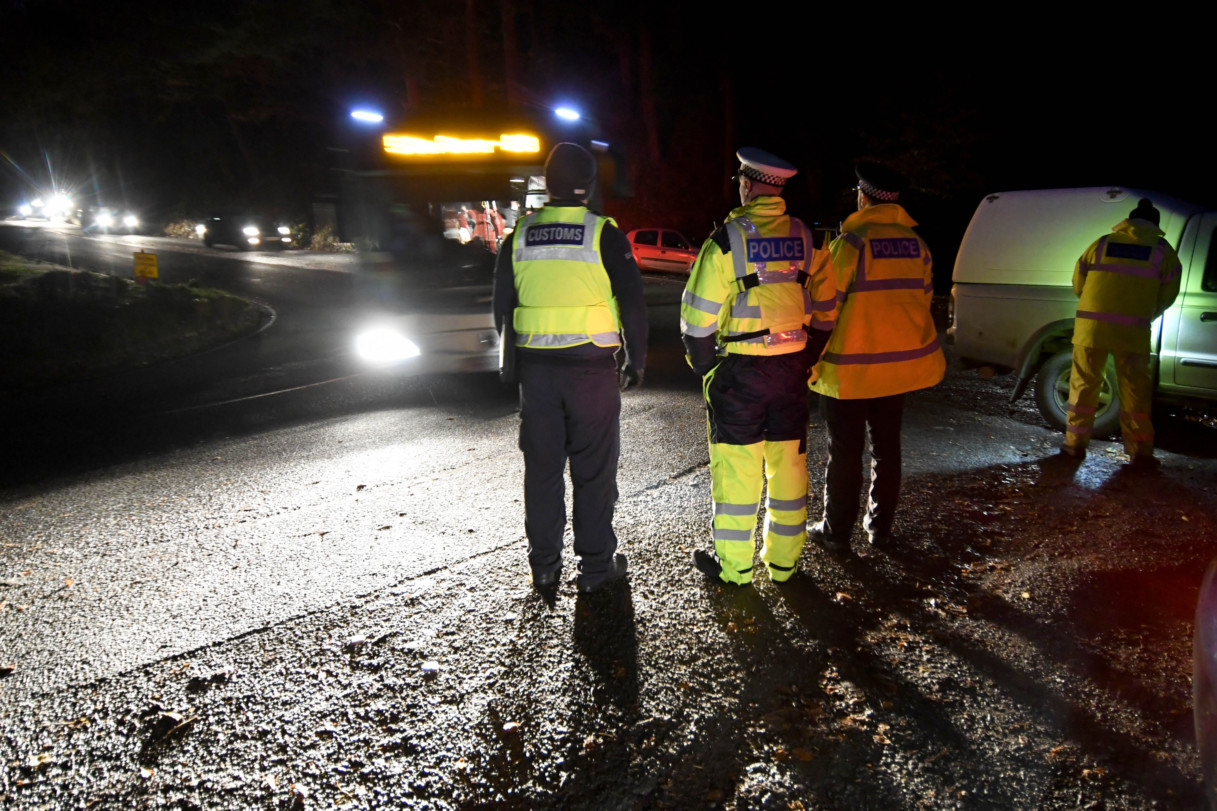
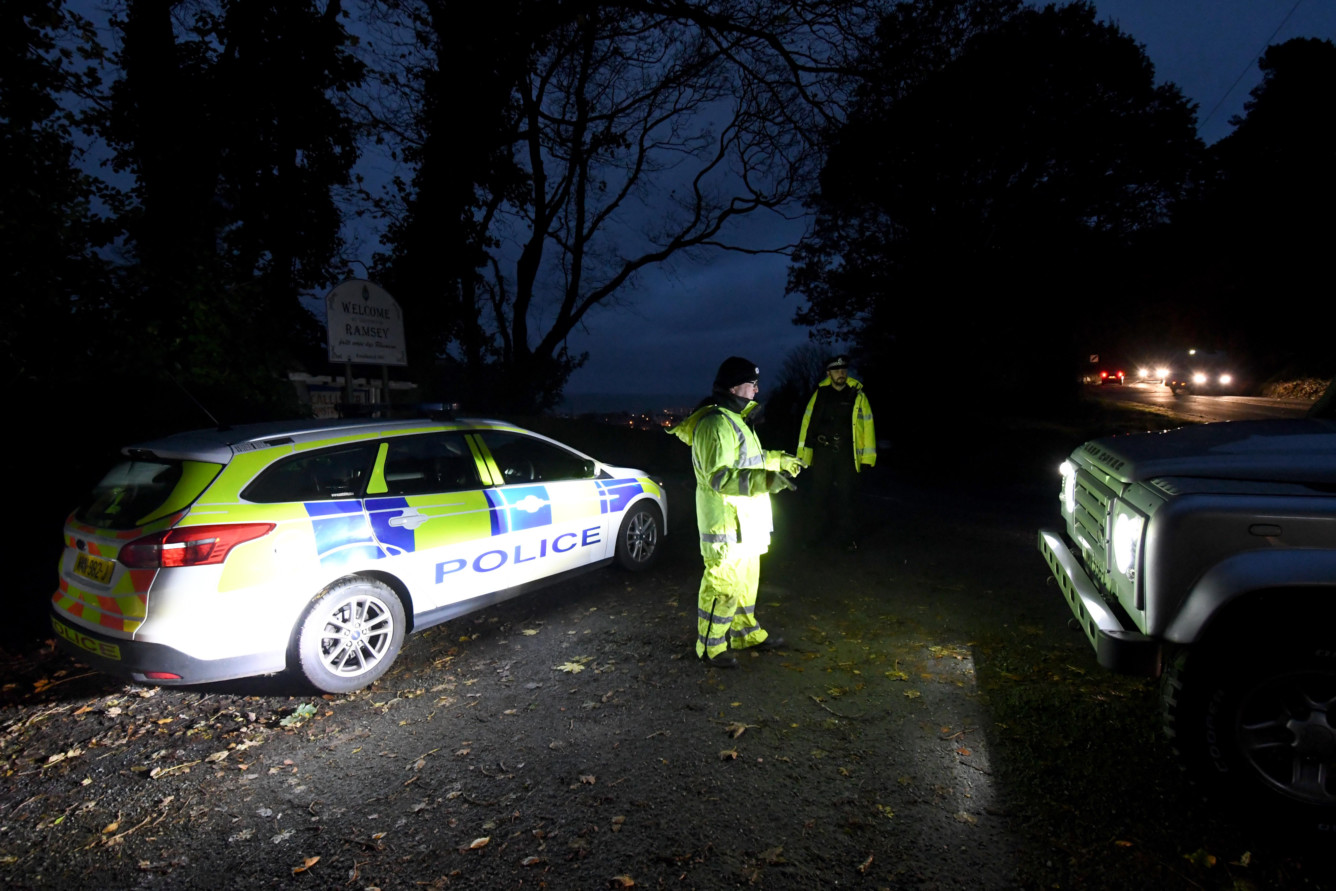
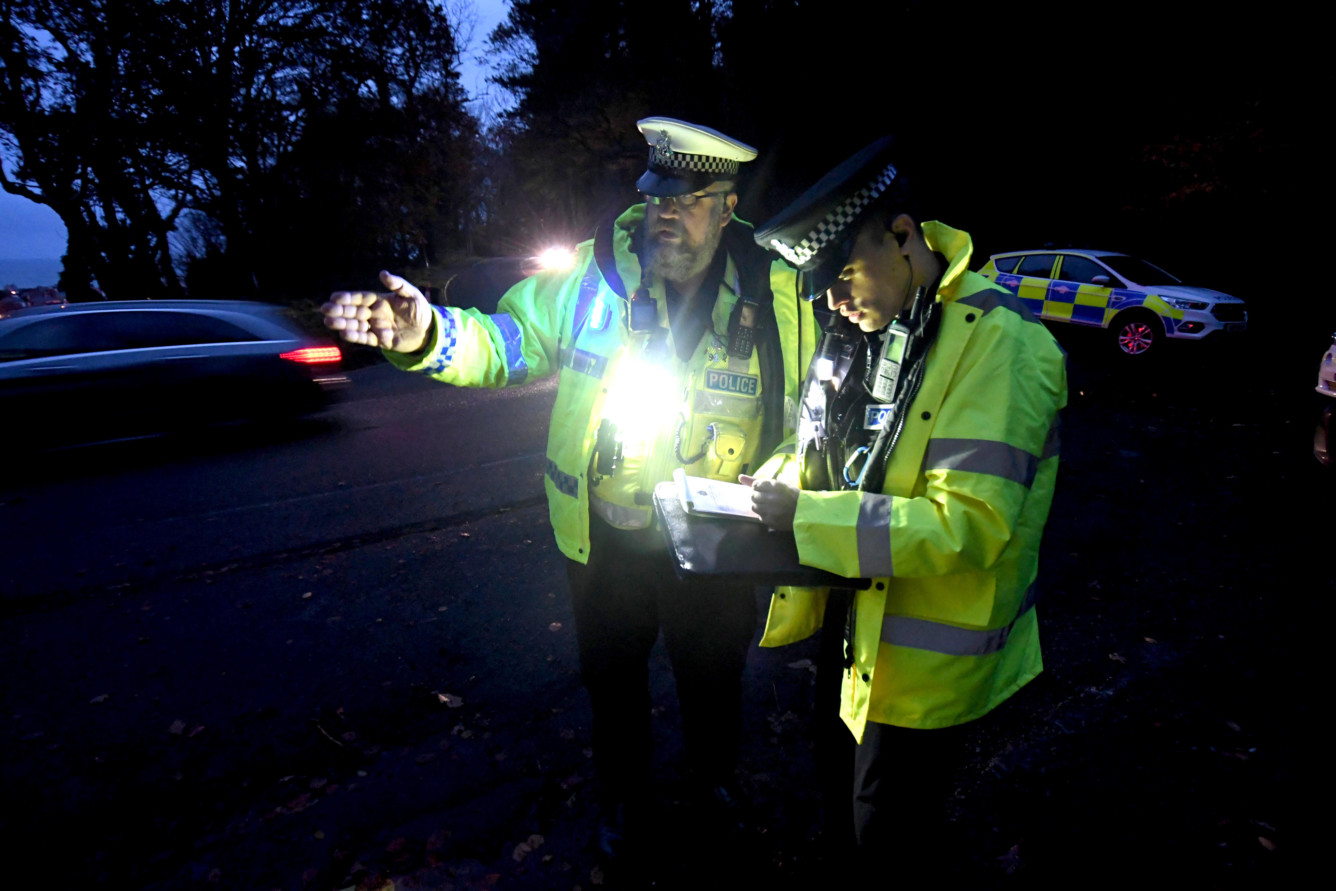
The police’s annual winter checks campaign saw 94 vehicles stopped with defects.
More than 330 vehicles were stopped in total and of these, 80 motorists were issued with a vehicle defect notice and 14 drivers were issued with a penalty, in the form of a ticket or a summons.
Winter checks, which were held across 12 days earlier this month, happen every year and coincide with the clocks changing.
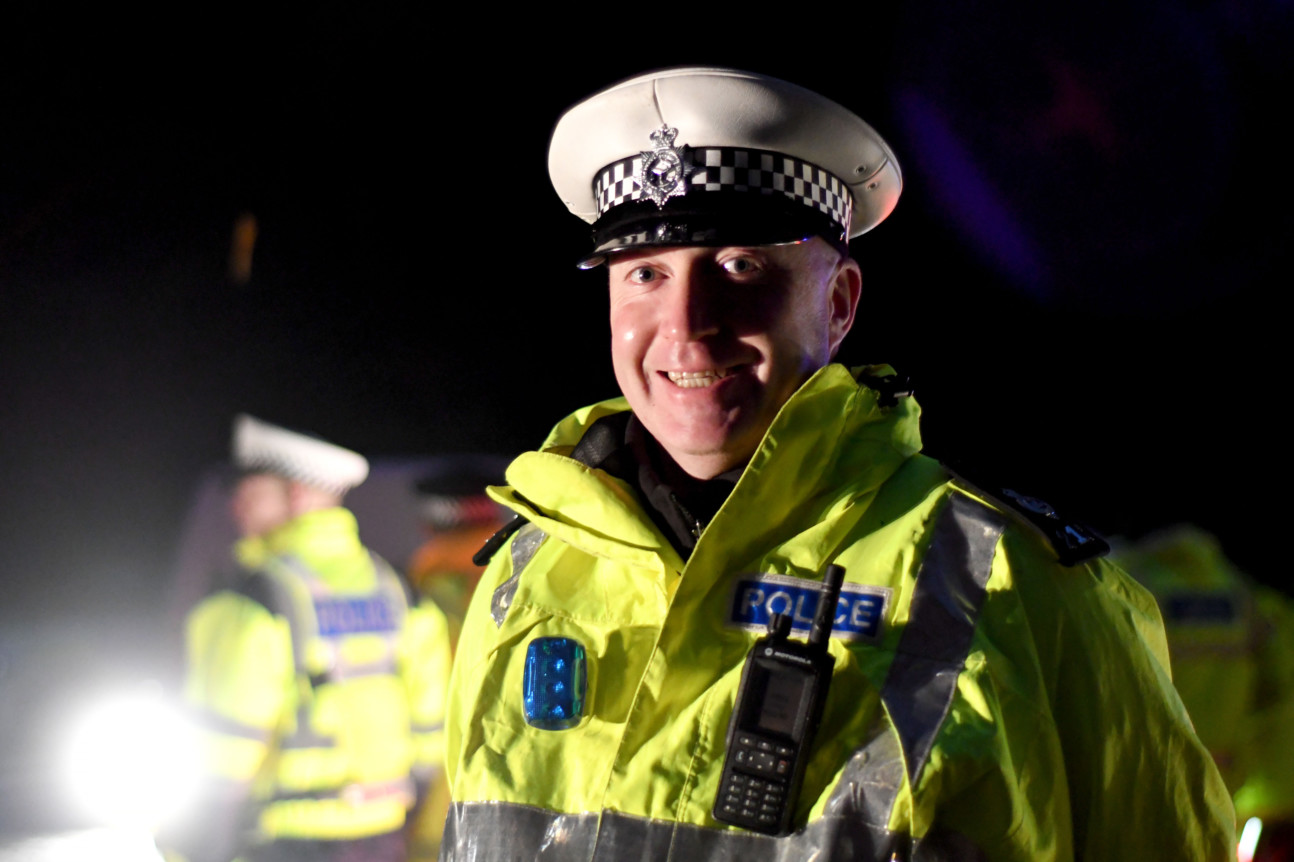
Police Constable Stephen Hall, of the Roads Policing Unit, leads the campaign and felt it was ’incredibly important’, especially as the nights get darker.
.jpeg?width=209&height=140&crop=209:145,smart&quality=75)

He said: ’The reason we’re doing it is A) for awareness and education and B) to basically stop people, find any defects and see if vehicles are fit to be on the road.
’This campaign specifically is for winter and it coincides with the changing of the hour, as the mornings and nights get darker and as we move into the winter.
’Unfortunately a lot of people don’t know how to check their cars over.’
He explained the process a car undergoes when it is pulled over.
Mr Hall said: ’They really are random checks. What we’re mainly targeting is people with lights out but then we also pull random vehicles to check.
’If there’s nothing wrong then it’ll only be a couple of minutes but if a car does have a defect the driver will be given a vehicle defect form.’
A vehicle defect form gives the motorist seven days to rectify the defect before action is taken by the police.
Police give out endorsement fixed penalty tickets for which there is a standard £120 fine and the points on it vary depending on the defect.
’For example, if a vehicle had to replace a headlight, they’d take the vehicle to any garage, the garage would check the vehicle over, they’d stamp the form and then hand the form to the police station and that form comes back to the officer,’ Mr Hall added.
’As long as that’s done in seven days, that’s the end of it, but if they choose not to do it then the likelihood is they will be prosecuted.’
The officer felt the process worked well because he was ’well aware’ that bulbs ’could go at any time’ so giving people the chance to rectify the problem was a fair process.
’If it’s tyres then we’ll probably deal with it by way of a fine on the spot because with a light, yes you’re not going to see your vehicle so well but it’s not endangering as much as a bald tyre, and tyres don’t get bald in one day, it’s over months,’ he continued.
When asked if he felt people were conscientious of their vehicles, Mr Hall said: ’I would like to hope so but I think it’s the same as anything in life - some people aren’t bothered and some have immaculate vehicles.
’[Checks are] something we would encourage people to do on a weekly basis, just turn all your lights on and have a walk around your car, check your tyres.
’There are unseen things as well. If you look at your tyres, they might look immaculate, but turn your wheel to full lock and then at the inside edge there might be some wire hanging out and they’re ready to pop - people don’t know, it can be lethal.’
Police encourage the use of the mnemonic POWDERS (Petrol, Oil, Water, Damage, Electrics, Rubber, Stopping) to the public.
Mr Hall added: ’I do the police driver training and it’s something that’s something that police officers are taught.
’They are the checks police officers should be doing before going out on patrol.
’It’s just something for the general public to think of and if you check all that, then that’s as much as you can do.’
The campaign was in collaboration with teams from the Department of Infrastructure and customs.
After the campaign ended, Mr Hall added: ’A large number of vehicles were stopped as part of this campaign, most were mainly due to minor defects.
’The public have been extremely supportive of what we are doing and although this is a specific campaign our checks continue all year round.’