

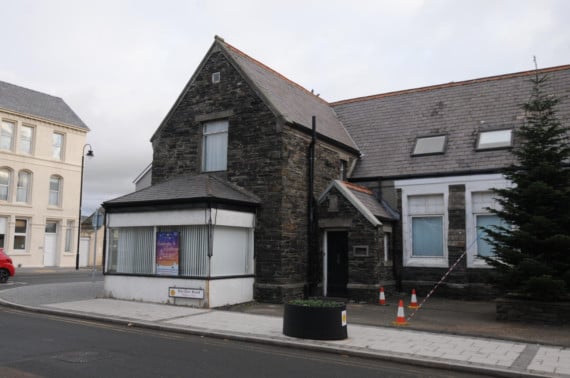
The business case for a local authority’s purchase and renovation of a rundown village landmark has been released following a Freedom of Information request.
It shows Port St Mary Commissioners’ acquisition of the Manxonia building at a cost of £200,000 and its £100,000 refurbishment was to be funded by borrowing - and the expected income would leave a shortfall of almost £5,000 a year.
In the event, borrowing was taken out only to pay for refurbishment after a ’missing’ £200,000 was apparently found in the village’s finances.
Port St Mary Commissioners announced its rate was going up by 5.2% this year - one of the biggest increases in the island.
.jpg?width=209&height=140&crop=209:145,smart&quality=75)
.jpg?width=209&height=140&crop=209:145,smart&quality=75)
Villagers have raised concern that the purchase of the Manxonia building played a large part in the rate rise. Renovation work is well underway on the building.
Deputy clerk Hayley Phillips told the Manx Independent that the purchase of Manxonia House at a cost of £191,322 was funded by reserves and did not contribute to the increase in rates.
At a surgery held in the town hall last week, commissioners Michelle Haywood and Andy Phair confirmed that borrowing of £102,000 was taken out to pay for the refurbishment.
The business case from July 2016, prepared by clerk Alastair Hamilton, who has been on sick leave since the beginning of January, was published following a Freedom of Information request by Isle of Man Newspapers.
It shows the original plan was to fund both the purchase and refurbishment from borrowing.
The document explains that the commissioners’ administration office and payment office for tenants would be relocated to Manxonia House from the town hall.
It says the purchase will regenerate a rundown building in the village and provide a shop and a flat for rental.
The document lists the expected costs as £190,000 for the purchase, £3,500 on legal fees, and £100,700 on refurbishment, totalling £294,200.
Funding for project was envisaged to be £221,200 from borrowing, a commissioners’ cash contribution of £65,000 and £8,000 from a regeneration grant.
The document states that borrowing £221,200 would cost £16,480 a year. This would be offset by rental income from the shop and flat of £12,000 a year, resulting in a ’net call on rate-borne income of £4,480’.
But it notes: ’The commissioners are content the annual cost of the anticipated borrowing can be met from the current annual income received.’
The business plan states the management of the project would be overseen by Mr Hamilton.
It says he has a strong construction related background and his last appointment as a manager in the DEFA saw him responsible for a £3.1m capital project that was ’completed on time, on budget and with no impact on health safety or the environment’.
Accounts published by the authority after it announced its rates rise show loan interest and costs for Manxonia House still come to £16,333 a year, despite borrowing only being taken out for refurbishment.
That’s a significant part of the increase in expenditure, which is expected to go up from £538,427 in 2017-18 to £598,863 in 2018-19. Raising the rates by 5.2% from 315 to 331 pence in the pound has generated an extra £22,304.
Last year Isle of Man Newspapers revealed how a discrepancy had been discovered in the authority’s cash-backed reserves which had been understated by just under £200,000.
That discrepancy was thought to date back at least 15 years.
Commissioners last month called in the police to investigate how a story about emergency general meetings concerning the position of the clerk came to be leaked to the press.
Comments
This article has no comments yet. Be the first to leave a comment.