
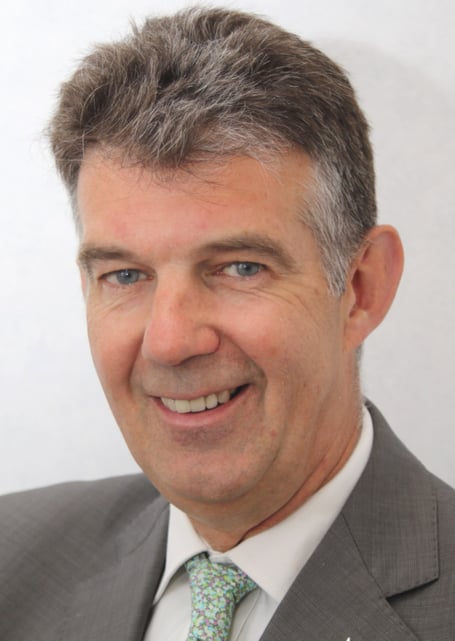
Fewer than 50% of Manx graduates return to work in the island after university.
That is the admission from the Department for Enterprise as it seeks Tynwald approval for its updated Locate Isle of Man Strategy 2018-2021.
The department is seeking to further promote the island and has set out six key themes to focus on.
These include attracting graduates both back and to the island, growing the skilled workforce to fill gaps in employment and working with employers to identify barriers to relocating workers to the island.
 New organ donation law to come into force as island urged to ‘make informed choice’
 Department outlines new education priorities as Tynwald receives updated plan
.jpeg?width=209&height=140&crop=209:145,smart&quality=75) Tynwald rejects referendum on Isle of Man's Net Zero policy
Tynwald rejects referendum on Isle of Man's Net Zero policy Operating the Isle of Man’s Liverpool ferry terminal costs more than £710,000 a year
Other themes identified are being open to inward investment and new business, ensuring employment agencies are best able to support local businesses and raising the profile of the island for high value active entrepreneurs.
However, it is the number of Manx students who do not return that is a significant problem for growing the island’s workforce as it puts greater strain on the need for skilled migration to the island, shown by the fall in the population in the 2016 census.
The department’s strategy states: ’Whilst reasons are varied and personal, evidence suggests that negative perceptions around available opportunities and career progression influence the decision for many graduates not to return.
’Young people also reference the lack of entertainment, retail choice and nightlife options as important factors when considering living and working in the island.’
Enterprise Minister Laurence Skelly admitted that the island has had a problem retaining its young people, but it can’t compete with ’city life’ and must sell itself on what it can offer.
He said: ’There has been a decline in the nightlife. The programme for government said the island is "a special place to live and work" but we have to recognise that means different things to different people.
’Some people, old and young, like the tranquil and peaceful nature of the island.
’But a lot of other ’younger people’ want a more live and vibrant night time economy.’
Mr Skelly said that among areas the island has grown is the diversity in the food and drink economy, with Manx produce and alcohol gaining popularity.
But he added: ’We have to also recognise that we’ve not competing with city life, we never will and never did I suppose.
’But that has to be taken in the context of island life.’
Mr Skelly told the Examiner he is seeking Tynwald approval for the department’s strategy because ’this is not only about growing the economically active population, but how we do that’.
He added: ’Obviously one department can’t be solely responsible for that, we need the whole scope of government to buy into this.
’We also need to get the message across the public about why we need to do this.
’The social attitudes survey showed that some people don’t understand why we need to grow our economically active population.’
The social attitudes survey showed that just under 50% of respondents want the island’s population to remain at its current level, about 15% wanted a decrease and just under 40% wanted an increase.
Strategy
Mr Skelly said that the new strategy will work towards improving on the 2016 census when the population was shown to have fallen from 2011.
He added: ’The census, I think, identified what a lot of people felt and thought that the population had decreased in those five years.
’In that same time, the GDP was perhaps not true reflection of what was happening in the local economy, which is why some said it was a two speed economy.
’That drop was probably the evidence we needed to say ’we’ve depopulated, we’ve struggled here, how do we address this particular issue’?
’But from then until now, we’ve seen an increase that’s been demonstrated in some of the stats of the last couple of years such as NI and income tax being up.’
Comments
This article has no comments yet. Be the first to leave a comment.