

Politicians have drawn up a strategy to encourage us out of our cars and on to our legs or bikes.
Tynwald will next week be asked to approve the ’active travel strategy’.
Active travel is defined as walking or cycling, including the use of electric bikes, as an alternative to motorised transport to get to work or school.
The strategy’s aim is to see more than 20% of people travelling actively to work by the time information for the 2021 Census is gathered - an increase from 14% when the 2011 Census took place.
.jpeg?width=209&height=140&crop=209:145,smart&quality=75)
The government wants to get us fitter, to cut rates of ill health. But that’s not the only aim.
Fewer journeys taken by car could also lead to a reduction in carbon emissions, improved air quality and less congestion.
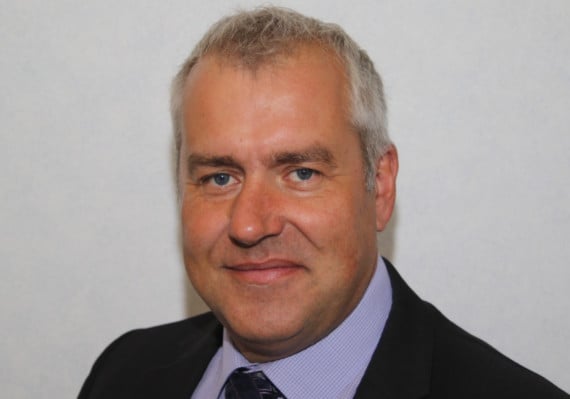
Infrastructure Minister Ray Harmer MHK said: ’Promoting active travel is something I’m passionate about and this strategy is aimed at giving more choice to those who wish to walk or cycle.’
Kate Lord-Brennan MLC, the politician responsible for highway servicese, said: ’If successfully implemented, the community will benefit in a range of ways. It is important, however, that progress is measured and the use of data will be crucial in marking milestones and retaining focus on the overall aims.’
An action plan is in the process of being compiled and will focus on a series of measures designed to promote change with regard to both infrastructure and behaviour.
This will include identifying a network of routes within 2.5 miles of Douglas town centre and how the correct infrastructure could allow more commuters to travel safely either on foot or by bike.
The island’s schools will be part of the initial areas of work to try to encourage more children - and parents where possible - to travel actively to school.
A public consultation exercise was undertaken last year, entitled ’Encouraging active travel for the Isle of Man’, which has helped inform the direction of the strategy. A total of 379 responses were received and a report on the consultation was published in January 2018.
Funding was granted in this year’s Budget to enable the project to develop, with £3.8 million to be spent over the next four years.
Comments
This article has no comments yet. Be the first to leave a comment.