
An MHK has hit out at the government for being ’reckless’ in their handling of the surge in Covid-19 cases.
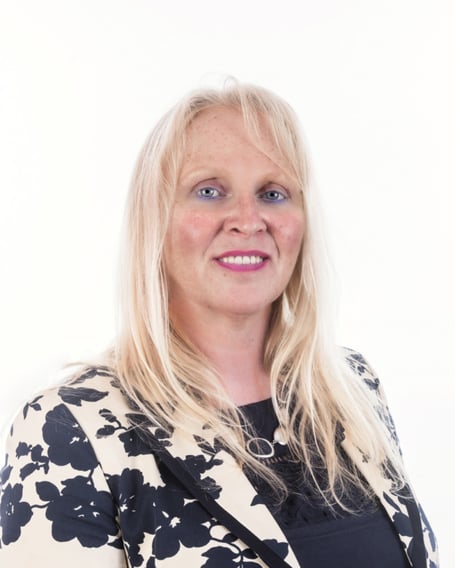
Julie Edge, MHK for Onchan, voted against the border changes on June 28 and felt the government changed restrictions too soon.
During Thursday’s Covid briefing the government admitted to not using a model to follow and predict the surge in Covid cases.
Last year, the government created a model to predict the number of cases with a worst case and best case scenario, to plan for the pressure on the health services.




Ms Edge said: ’I view it as irresponsible and reckless.
’If they had waited and reviewed we may not be seeing people in hospital and ICU.
’Council of Ministers knows best and seems to be carrying on regardless, not consulting with the EAG (Emergency Advisory Group).
’The current situation is bringing the island to its knees and throwing any residents under the bus.’
A model, which was created last year, was a prominent feature in the government’s Covid exit strategy as they repeatedly referenced the need to ’flatten the curve’.
Ms Edge continued: ’The importance of data cannot be underestimated in dealing with this pandemic.
’The exit strategy approved and published to the people of the Isle of Man and the data that would be used to make decisions has been ignored.
’The data agreed in the document was "UK case notifications fewer than 100 in 100,000" which clearly is not being followed and we have Covid raging through our residents with no mitigation in place to protect them, the vulnerable or the unvaccinated.’
She explained she voted against the border changes last month because she could ’see this wave coming’.
The MHK said: ’When the Chief Minister says we are now living with Covid he isn’t wrong - one in every 34 people regrettably has Covid and the numbers are still rising. Also, we don’t know the impacts of Long Covid on people, especially the young.
’The economy is on its knees again due to staff absences, and the government is now having to pay support.’
In the briefing, Dr Henrietta Ewart, director of public health, explained the government has not created a model to predict the current surge in cases.
Dr Ewart said: ’We haven’t pursued detailed modelling at this stage.
’In a small population where you’ve got transmission that doesn’t follow a nice average, you can have events that are totally unpredictable and can make a huge difference in massively worsening the situation or, indeed the reverse, and making it better than you might’ve expected.’
David Ashford, minister for Health and Social Care, added: ’We always knew the case numbers were going to go up.’
He stressed the government is currently focusing on hospitalisations, rather than case numbers.
’It’s not so much about where does the peak come in terms of cases, it’s about the outcome of those cases,’ he said.