
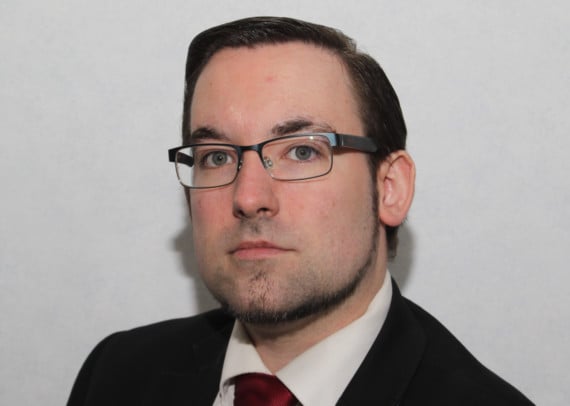
Community pharmacists will play a crucial role in ensuring the island doesn’t run short on medical supplies following a no-deal Brexit, Health Minister David Ashford says.
Mr Ashford has insisted the island is prepared for any delays to medicine supplies caused by a no-deal Brexit.
In some instances, the island already had larger stocks in place, compared with UK regions, he said.
In Tynwald this week Julie Edge (Onchan) asked what policies were in place for life-saving drugs, if any shortages arose.
.jpeg?width=209&height=140&crop=209:145,smart&quality=75)



Mr Ashford said: ’We cannot have a policy about every single drug. We are talking about community pharmacies here.
’They know their patients, they know what is prescribed, they know what their stock throughput is.
’They need to ensure there is resilience in stock. We have said where they have any individual patients, they are the people to be able to identify that. They are the people to be able to act upon that.
He added: ’’There is only so much that we can do in terms of unique drugs. We cannot build a policy around each individual patient in the island.’
Mr Ashford also faced questions from Lawrie Hooper (LibVannin, Ramsey)
’Community pharmacies in the island continue to keep larger supplies than average pharmacies in the UK to mitigate against any weather disruption to supplies,’ Mr Ashford said.
’But they have been advised to make sure they have resilience in their stock levels.
’Where you have a patient who requires more unique medication, that has already been told to pharmacies to identify patients and consider holding increased supplies than they would normally.’
Mr Ashford said there were often shortages in certain medicines and drugs, not just as a consequence of Brexit - for instance the recent shortage of epi-pens due to manufacturing problems. These were addressed by a general pharmaceutical policy ’across everything’.
He added that health chiefs in the Isle of Man had agreed they would allow the adoption of ’serious shortage protocols’ in the island.
Drawn up in the UK, these will allow the government to permit community pharmacies, in extreme shortages, to dispense against a ’specific protocol’ instead of against a prescription. This may allow the pharmacy to dispense a different strength or an alternative generic medicine, following discussion with the patient.
Any specific protocol would be drawn up by ’senior clinicians’ and would require a law change, which would be brought forward ’if and when deemed necessary’.
If something ran out before legislation was in place for a serious shortage protocol in place, an alternative medicine could still be arranged by the prescriber.
Comments
This article has no comments yet. Be the first to leave a comment.