



A project to conserve eelgrass in the island’s waters has been launched.
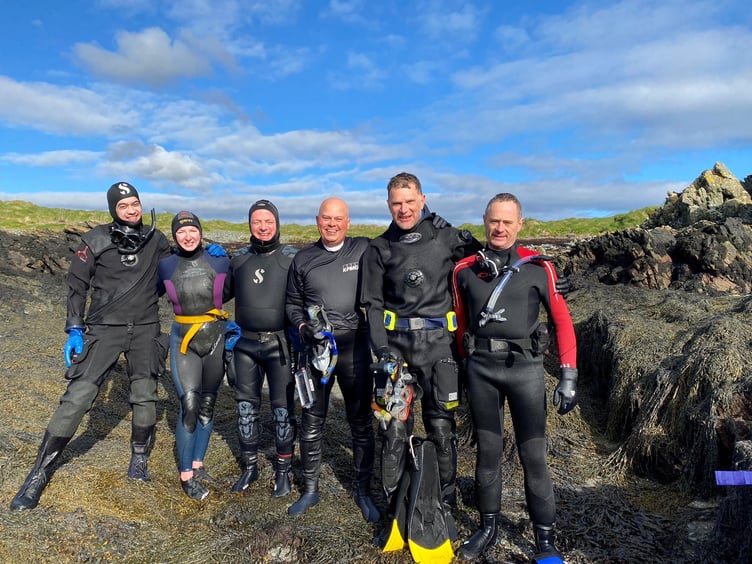
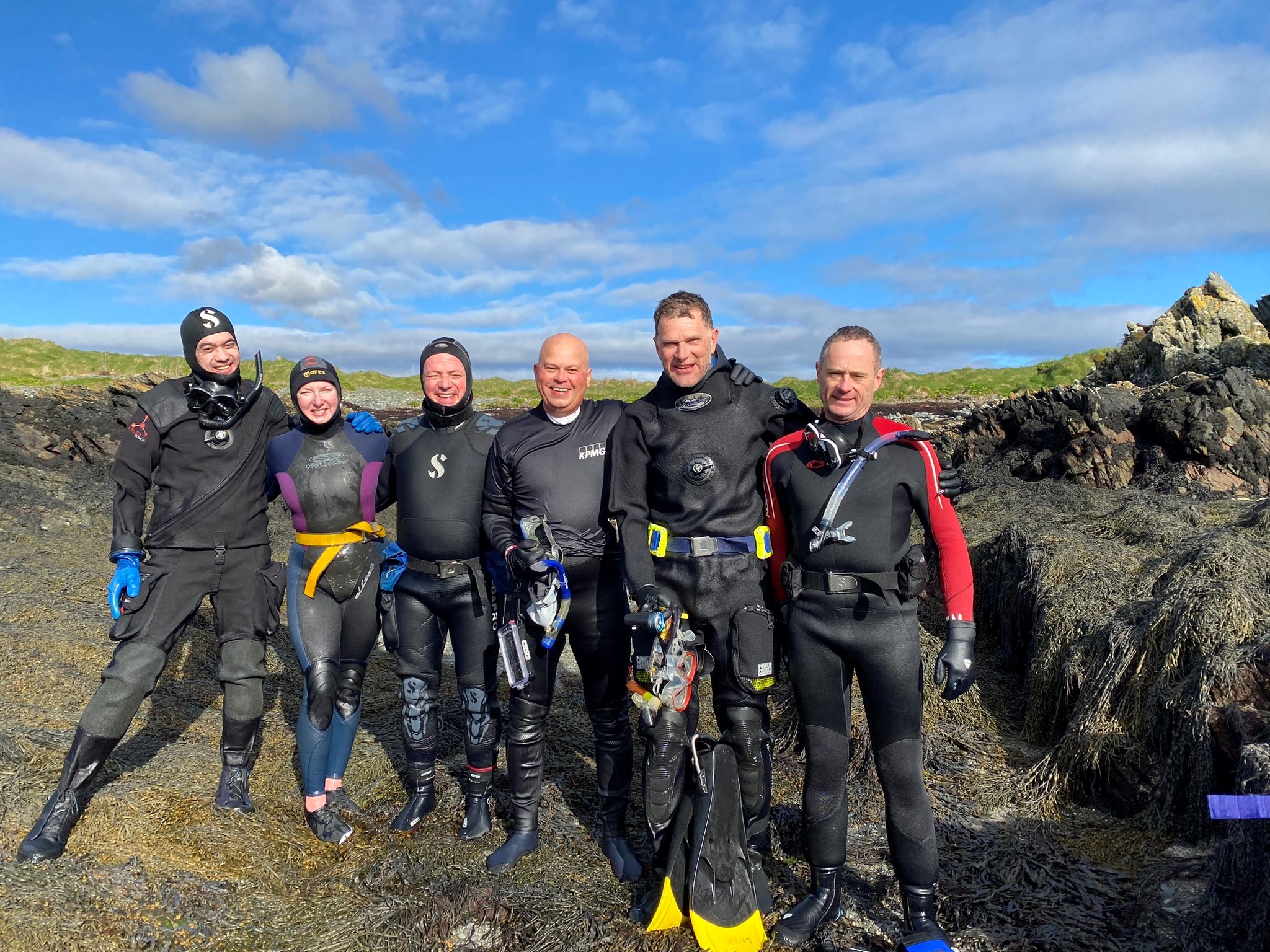
Manx Wildlife Trust will work with a group of specially-trained volunteers to research, protect, and restore eelgrass sites in Manx waters.
Eelgrass, which is the type of seagrass we have around the island, also called Zostera marina, can store carbon 35 times faster than a tropical forest.
Yet, according to the Manx Wildlife Trust, in the last 40 years, more than 30% of eelgrass meadows have disappeared globally and in the last 100 years 90% of seagrass in the British Isles has gone.



This is a trend that Manx Wildlife Trust wants to reverse locally.
The project has been made possible by sponsorship from KPMG
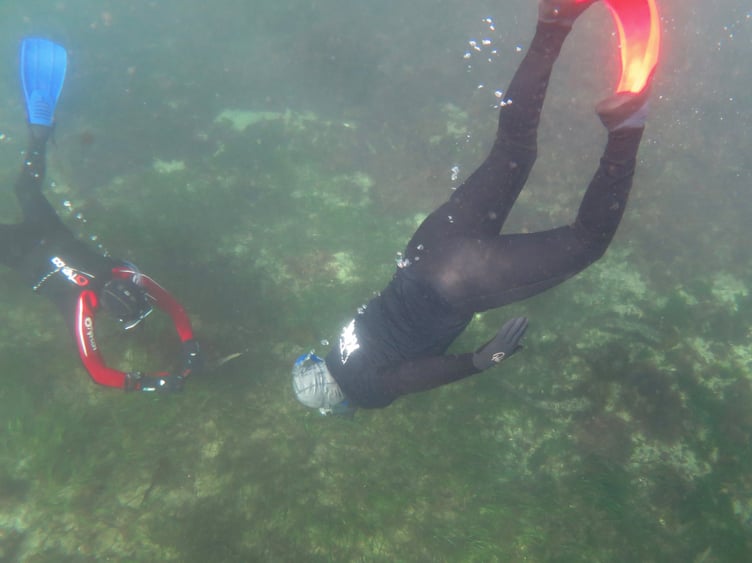
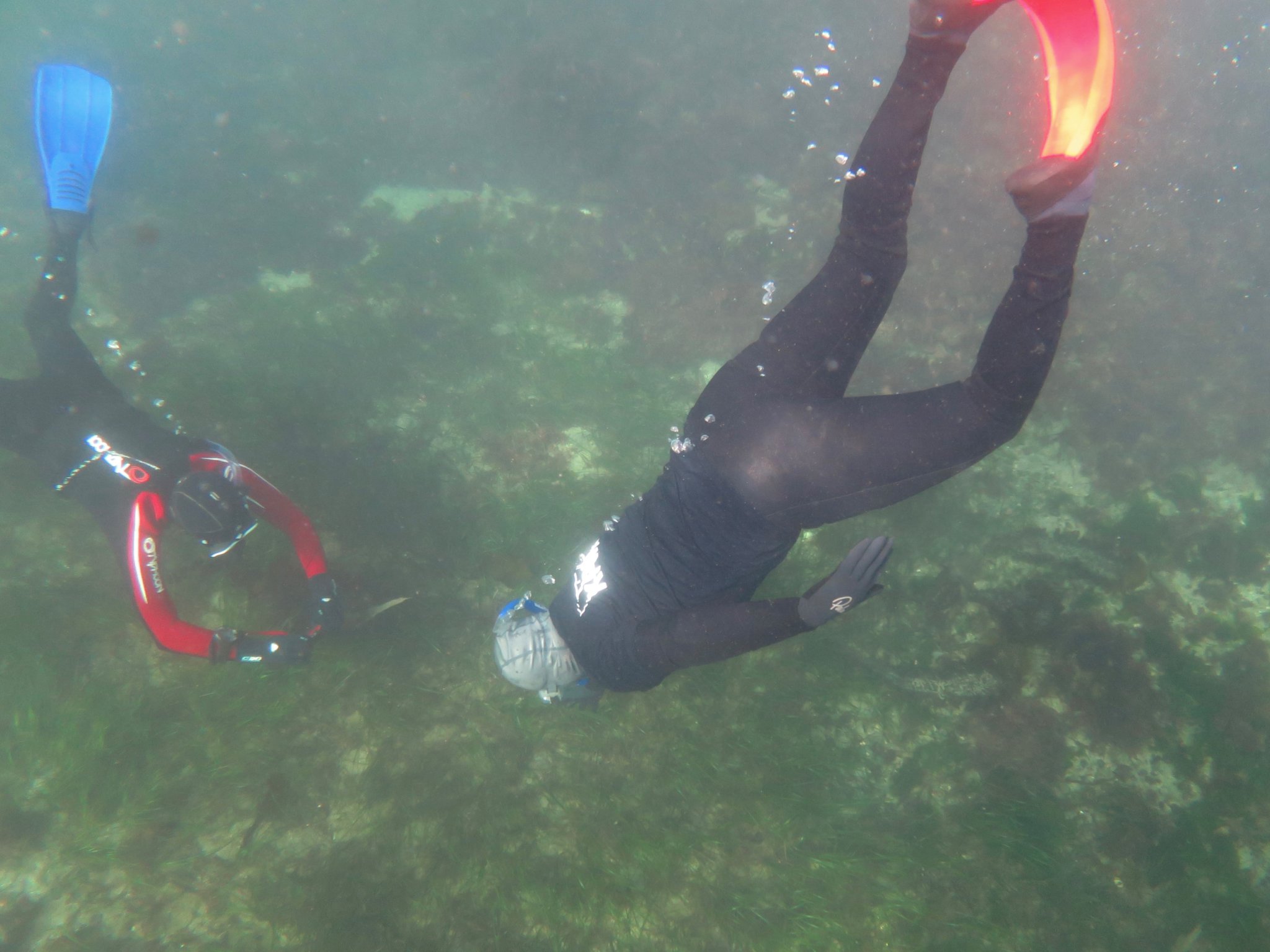
It was launched on World Seagrass Day, March 1, with the Manx Eelgrass Group taking a dip at Fort Island Gully.
Leigh Morris, chief executive officer of Manx Wildlife Trust said: ‘We are delighted to be launching our Manx Eelgrass Group, led by our marine officer, Dr Lara Howe, with a fantastic team of volunteer divers, funded by KPMG.
‘Manx Eelgrass Group will initially be focused on the carrying out of an accurate survey of the seagrass around the Isle of Man, measuring locations, areas and abundance of the seagrass present.
‘This will hopefully contribute a key strand of work towards the delivery of the Isle of Man Government Blue Carbon Project.’
Dr Howe added: ‘This is a fantastic collaborative project and I’m so grateful for the support from the volunteer divers and KPMG.
‘It shows how working in partnership with business and volunteers is key to us achieving our mission to protect and enhance our environment.’
Simon Nicholas, partner at KPMG Isle of Man, said: ‘Blue carbon ecosystems have enormous capacity to store carbon within plants like eelgrass.
‘The potential restoration of eelgrass meadows has wider benefits for biodiversity, human well-being, and livelihood.
‘By supporting local marine conservation, KPMG and our impact plan aim to be part of the solution to global issues such as climate change and biodiversity loss.’
Comments
We've recently changed our login process. If you have an account for commenting, you will need to re-register on the login window.
This article has no comments yet. Be the first to leave a comment.