

Thirty millimetres of rain during the final weekend of the month failed to prevent a record dry spell for this century.
Even with those downpours, however, the months of May, June and July were the driest for this period since 1989, with a total of just 91.2mm, compared with the average of 166m.
The hot and dry start to the summer continued into July, with temperatures soaring. From June 21 to July 19, there were 19 consecutive days without a drop of rain.
It all came crashing to an end over the past week, with 30mm of rain falling at the weekend, causing widespread problems. The total rainfall for July of 52.2mm was only just below the average, as a result.
.jpeg?width=209&height=140&crop=209:145,smart&quality=75)
.jpeg?width=209&height=140&crop=209:145,smart&quality=75)
.JPG?width=209&height=140&crop=209:145,smart&quality=75)
But what went before has contributed to the hosepipe ban that starts on Friday.
During July there were 14 days when the temperature topped 20C - an average July would see only five days topping 20C. July 2 was the hottest, reaching 26.4C at Ronaldsway.
Night-times were warm, remaining above 10C throughout and an average of 13.2C overall.
There were 214 hours of bright sunshine, compared with the July long-term mean of 196 hours. The first four days of the month each had over 15 hours of unbroken dawn-to-dusk sunshine.
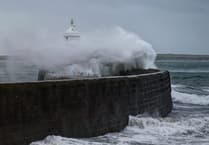
Most of the month saw light winds, giving an average of only 9mph. But the squally front that hit the island on Saturday (July 28) produced a 53mph gust, the highest for July in 17 years.
The island avoided all the thunderstorms that hit other parts of the British Isles, and the hail, but there was fog on three days.
One of the hot, sunny days in the island
Comments
This article has no comments yet. Be the first to leave a comment.