
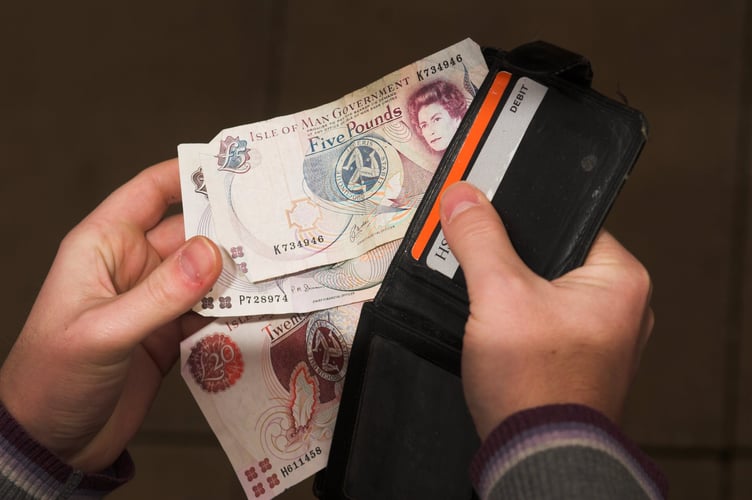
Food and drink inflation is hitting people in their pockets badly.
The Consumer Prices Index headline rate for March is 9.1% – that’s 0.1% higher than February’s.
The biggest factor in the increase is food and non-alcoholic drink, which is 17.9% more expensive than 12 months earlier.
As a rule of thumb, poorer people spend a larger proportion of their income on food and drink, so the rate of inflation they personally face is higher than the headline figure.
-(1).jpeg?width=209&height=140&crop=209:145,smart&quality=75) Business leaders warn 9.9% minimum wage rise now poses a 'national crisis' for island
Business leaders warn 9.9% minimum wage rise now poses a 'national crisis' for island Two Isle of Man pubs to welcome residents on Christmas Day
 Watch as family defeats 'spirit of online shopping' in new Love Manx Christmas video
 New inflation-linked system to set public sector rents on the Isle of Man from 2026
Fruit is 11.6% more expensive, while vegetables set consumers back an extra 15% compared with March 2022. Milk rose by 27.6%.
The price of eggs is 57.8% higher than a year ago, while biscuits and cakes are up 49.9%.
As usual, there are some anomalies. For example, the government’s number crunchers say pork is 39.9% more expensive, while bacon is 7.8% more.
Fuel is another area that’s seen big rises.
Gas is 31.7% more, electricity 28.4%, coal 33.7% and central heating oil 7%.
Last month’s big jump in electricity prices, due to rise again in the summer, aren’t yet reflected in the inflation statistics.
Beer ‘off’ sales are up 5.5%, while it’s 7.1% for wine. Tobacco jumped 9.9%.
As often seems to be the case, there is an anomaly for clothing. While women’s outerwear actually got cheaper (0.8% compared with 12 months earlier). men’s jumped 8.1% and children’s were 9.9% dearer.
While sea travel is up 15.8% and air travel rose 12.4%, the £2 minimum fare saw the cost of bus travel drop by 10.2%.
The return to normal fares this month will change the situation there for April’s figures.
Inflation measured by the Retail Price Index is up 10.8%.
Comments
We've recently changed our login process. If you have an account for commenting, you will need to re-register on the login window.
This article has no comments yet. Be the first to leave a comment.