

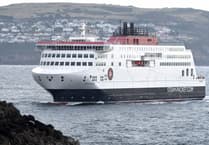
A government proposal to buy the Isle of Man Steam Packet Company is to go to Tynwald next week.
On Tuesday, the Isle of Man Examiner exclusively revealed that a £124m deal for government to buy the Steam Packet had been agreed.
Tynwald members were invited to a presentation on Tuesday and the proposal is due to go before next week’s Tynwald sitting.
The idea is that public ownership aims to bring stability and security to the island’s lifeline ferry services, said Treasury Minister Alfred Cannan.


.jpeg?width=209&height=140&crop=209:145,smart&quality=75)
If Tynwald gives the go-ahead, the newly state-owned Steam Packet would be operated by an arm’s-length company in which the government would have a controlling stake.
A new 25-year user agreement, to be reviewed every three years, will set out minimum service levels and a new pricing mechanism that the government believes will ultimately give passengers and freight users a better deal.
The purchase will be funded from the government’s cash reserves.
Some £76m of the £124.3m will appear in government accounts as a loan to the Steam Packet and effectively replaces the company’s existing debts. The remaining £48.3m will be equity funding to buy the shareholding.
Government will ultimately look at options to refinance the £76m lending.
This could involve the Steam Packet issuing a public bond or seeking other bank lending so that the taxpayer investment is repaid. A fall-back position could see a government bond being issued.
Talks have been taking place for some months now between the Manx government, led by Treasury, and the Steam Packet and its investment bank and hedge fund owners, including Portuguese-based Banco Espirito Santo.
Latest accounts for the Steam Packet, filed at UK Companies House in January this year, show the company made a profit before tax of just under £10m in 2016, had turnover of about £50m and had total assets of just over £142m. Profits of up to £14m were forecast.
If Tynwald approves the purchase next week, a second phase of the acquisition will see parliamentary approval being sought within 12 months for the new user agreement and the appointment of two new non-executive directors.
There are no plans, at least in the interim, to seek a new local management structure as the government is keen to ensure a smooth transition.
Potential future investors and partners will also be sought but, crucially, government will retain a controlling stake through preferential shares or a majority shareholding.
A third phase of the plan will see the purchase of new ships by 2023 at an estimated cost of £60m to £80m. This is expected to be funded largely by the Steam Packet itself out of its profits.
The deal to acquire the Steam Packet - if agreed by Tynwald - would end months, even years, of uncertainty over the future of island sea services.
In July last year, Tynwald voted not to accept a Steam Packet offer that included a pledge to invest £170m in a new fleet, facilities and fare initiatives - and to opt instead to continue negotiations for a better deal.
But the Council of Ministers then began to seriously contemplate taking the ferry operation into public ownership.
The idea of nationalisation or acquisition of the Steam Packet was outlined in a review of options presented in a government report to Tynwald in November 2016.
Supporters say it will allow government to gain full control over a national strategic asset, including operations and fares.
They say the Steam Packet is a profitable company making a significant return for its current shareholders. But a lot of those profits end up in the hands of the off-island investment bank and hedge fund owners.
Critics says the price paid now will be too high as the Steam Packet’s value is largely based on the user agreement, the deal that allows the ferry company sole use of the government linkspan at Douglas harbour. The user agreement runs out anyway in 2020, although there’s an option to extend it to 2026.
The government believes the deal has been structured to ensure the taxpayer is protected and repaid.
The Steam Packet has a balance of about £12m in its bank account so the purchase price is effectively £112.3m, although Tynwald will be asked to approve the full £124.3m.
Refinancing of the £76m loan element would see the taxpayer ultimately repaid.
And potential future investors and partners could reduce the final bill still further.
Due diligence has revealed that the Steam Packet’s current fleet is in good shape. But the ships will need replacing, likely by 2023.
The estimated cost of £60m to £80m for new vessels has been accounted for in the cashflow projections but additional lending may be required.
Having the state-owned Steam Packet at arm’s length from government may serve to avoid unreasonable demands for levels of fares and frequency of services that could not be justified commercially.
The new user agreement will ensure that the ferry operator makes an appropriate level of profit to allow it to service its debt and purchase new ships.
Comments
This article has no comments yet. Be the first to leave a comment.