

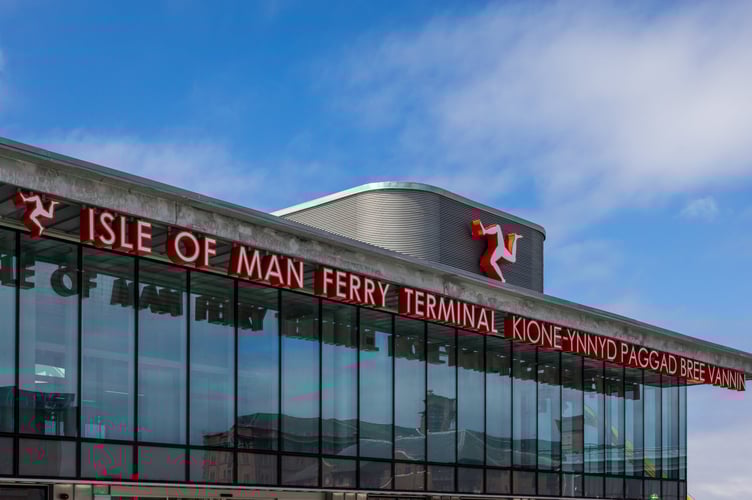
Up to 17,000 new homes could be built on land neighbouring the Isle of Man ferry terminal in Liverpool.
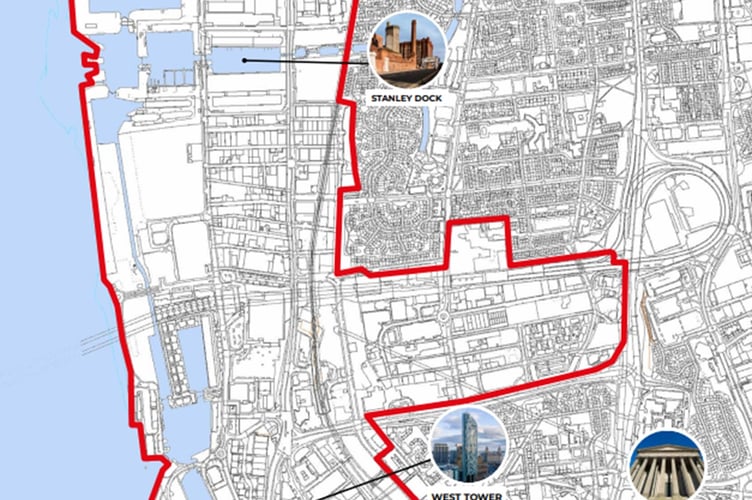
Liverpool City Region Combined Authority is proposing to set up a Mayoral Development Corporation, or MDC, for the Liverpool North Docks area.
The former industrial dockland area is already being transformed.
It’s home to the Steam Packet ferry terminal at Prince’s Half-tide dock, Everton FC’s Hill Dickinson stadium and the Stanley Dock warehouse redevelopment - Europe’s largest single heritage regeneration project.
Expansion of Liverpool’s international cruise terminal is planned by 2028.
Liverpool City Mayor Steve Rotheram said: ‘The North Docks represent one of the most exciting regeneration opportunities anywhere in the UK.
‘The chance to create new homes, attract investment, support new industries and deliver thousands of good quality jobs for local people. We’re already seeing signs of that potential.’
Proposals for the North Docks area include up to 17,000 new homes, new commercial and employment space, parks and green spaces and modern community and cultural facilities.
The proposed MDC will be a public body with powers to bring sites together for development, including through compulsory purchase orders where necessary.


It will be able to develop, manage and sell land and assets, deliver transport links, utilities and other essential infrastructure, use funding tools to help unlock difficult sites and take on planning powers to bring forward major schemes more efficiently.
A public consultation has been launched on whether an MDC should be established and what it should look like.
The Isle of Man ferry terminal in Liverpool opened to passengers in June 2024.
Ministers have refused to reveal the project’s final cost but some MHKs believe it has already cost the Manx taxpayer more than £100m.
When planning consent was first granted in 2019, the estimated cost of the development was £31.3m. By the end of 2021, the cost had almost doubled to more than £70.6m.