
The government has defended spending more on the replacement rails for the horse trams than any other buyer.
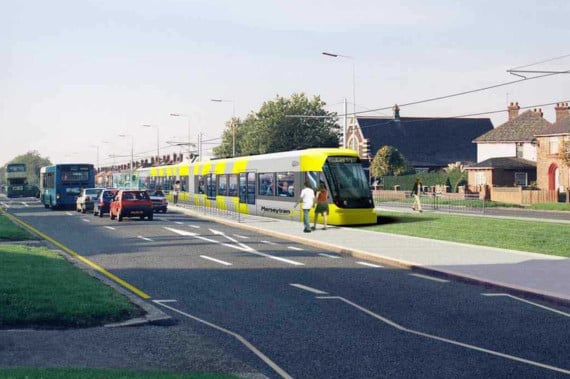
Replacement rails for the horse trams were bought by the Department of Infrastructure from Merseyrail after it axed plans to build a tram system from Liverpool to Kirkby, six miles out from the city centre.
cost
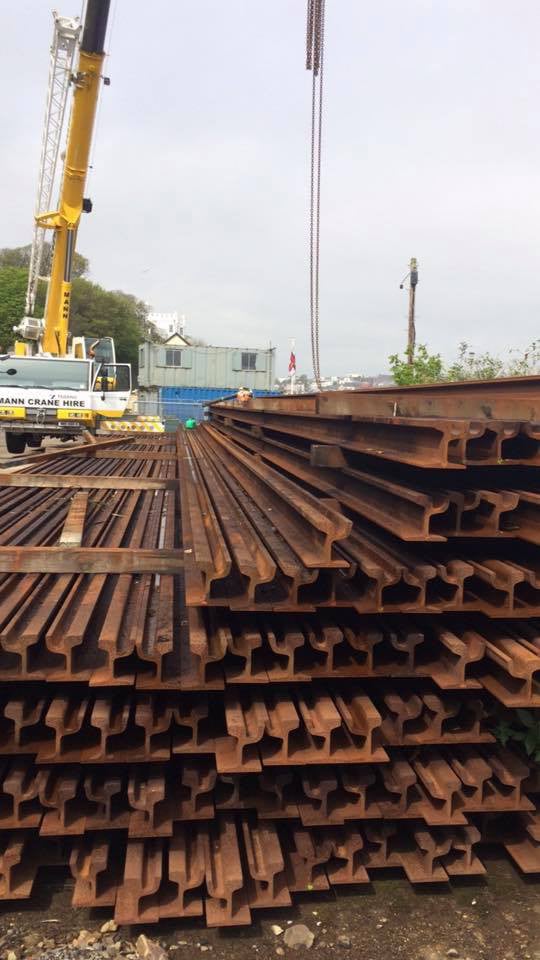
The government bought 700 pieces of track, about 20 metres in length each, at a cost of £285.91 per rail, a total of £200,140.
-(2).jpeg?width=209&height=140&crop=209:145,smart&quality=75)
However, the cost per unit to the Manx taxpayer was higher than that paid for by other purchasers.
Two museums and a scrap metal dealer bought the rest of the rails.
A Freedom of Information request by the Liverpool Echo revealed that 150 rails were sold to Crich Tramway Village Museum in Derbyshire for £39,750 - £265 per rail; 35 rails were sold to the Black Country Living Museum for £7,400 - £220 per rail; and 124 rails were sold to scrap dealer European Metal Recycling for £20,385.60 - £164.40 per rail.
This means the DoI spent £20.91 more than CTVM, £65.91 more than BCLM and £121.51 than the EMR on each individual track.
A DoI spokesman told the Examiner the track was chosen because of its dual usage capabilities - and it was a quarter of the price of a new track.
He added: ’Two batches of rail were purchased by Public Transport in 2014 as part of a sealed bid process for £285.91 per rail, around a quarter of the price of new rail.
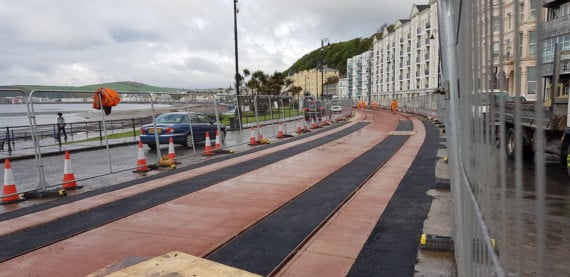
’A full procurement process was undertaken and the purchase was made with Treasury concurrence in the interests of best value in preparation for the Douglas Promenade refurbishment project.
’An important factor in purchasing the rail was that it was compatible with both the Manx Electric Railway and Douglas Bay horse tramway, and could be used on the MER in the event the promenade refurbishment hadn’t been taken forward.’
In addition to this, the rail can also accommodate modern rolling stock should the government choose to introduce this in the future.
The track itself is 13 years old, having being bought by Merseyrail in 2006. However, it was then left in a depot in Immingham, near Grimsby, until at least 2007, before being moved and stored when the project was abandoned in 2013 despite more than £70m being spent on it.
A shortened horse tram service is due to begin this month, having previously been expected to begin in April.
Comments
This article has no comments yet. Be the first to leave a comment.