
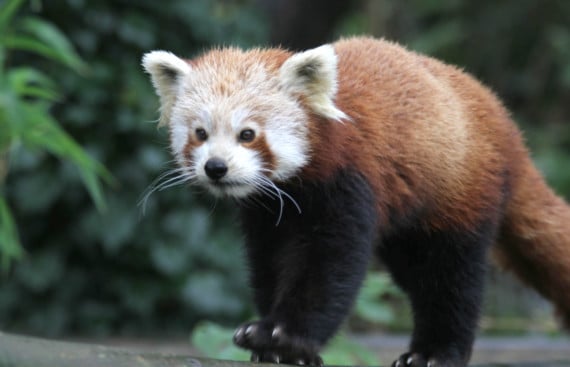
The Curraghs Wildlife Park has lost nearly £1.7m since 2015.
Since 2015-16, when the Ballaugh park lost £350,817, it has seen losses of more than £400,000 for each subsequent year.
In 2016-17, the park posted losses of £447,116.08, in 2017-18, this fell to £420,742.01 but in 2018-19, its losses rose significantly to £476,453.
The figures were revealed in response to a Freedom of Information request.
They also revealed that following a peak in its income in 2016-17, when the park brought in £369,382.75, that fell for two successive years, seeing an income of just £307,585 in 2018-19.
Expenditure rose from £680,330 in 2015-16 to a peak of £816,990 in 2016-17, then fell to £733,327 before rising again in 2018-19 to £784,038.
The Curraghs Wildlife Park is subsidised by the Department of Environment, Food and Agriculture.
The FoI response added: ’The purpose of the Curraghs Wildlife Park is to serve the community.
’The park is visited by all primary schools and many secondary and pre-school groups for educational visits as part of their curriculum.
’Around 2,500 schoolchildren attend formal education sessions here and these visits are subsidised out of the park’s budget. The park provides leisure resource for the island and also informally educates visitors on species conservation through talks and presentations. It provides play opportunities for children and allows all ages to connect with nature.
’Many corporate community days are conducted here and the park provides school work experience and work placements for young people looking to go into veterinary work, conservation or animal care.’
According to the DEFA, 75% to 80% of the park’s 50,000 to 55,000 visitors a year are local.
However it insisted that it also provides a destination for tourists.
Since 2015, a total of 79 animals have been born at the park while 75 have died from a variety of causes, including old age. Some were euthanised for their own welfare.
Other figures include the cost of children’s play equipment for 2018-2019, for maintenance, health and safety checks and cleaning was £8,727.
The cost of maintaining animal enclosures for 2018-2019, health and safety checks, cleaning and repairing was £73,455.81.
In the same year, the he costs of looking after the animals, including bedding, feed, utilities, grounds work and staff wages in relation to collection care roles was £545,073.
The DEFA also confirmed that Kush, the Houdini-like red panda is the only animal to have escaped from 2015, having made two successful bids for freedom over the past six months. He is now back in the park.
Comments
This article has no comments yet. Be the first to leave a comment.