
The Manx Wildlife Trust is the leading nature conservation charity in the island, protecting the fragile wildlife by creating living landscapes, living seas and encouraging and fostering a society where nature matters.
One of the biggest impacts on our native species often comes from an invasive species.
What is an invasive species?
Although it does sound very much like an alien invasion, it is an animal or plant that harms an environment after being introduced to it by humans.


.jpg?width=209&height=140&crop=209:145,smart&quality=75)
This might be accidental, or as a result of garden escapees or even introduced on purpose.
Invasive species are harmful to our natural wildlife and the overall ecosystem health.
They can harm native species because they are suddenly competing with a new species for the same resources, such as food, water, shelter and so on.
Invasive species often out-compete the native species for these resources leaving an ecosystem which is much less diverse and, sometimes, even driving native species to extinction. However, it is not all bad news!
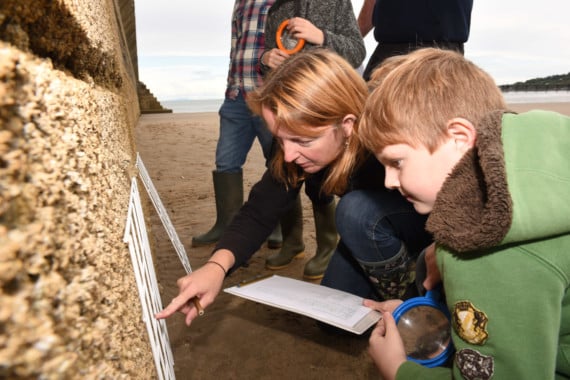
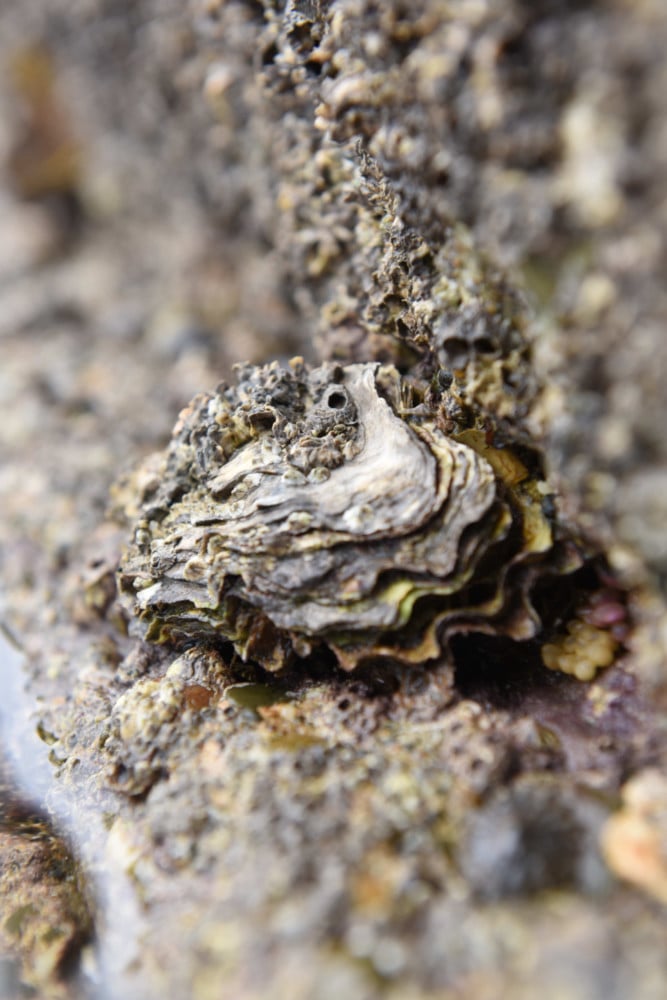
The Manx Wildlife Trust has been monitoring the invasive pacific oysters which appeared in numbers on Ramsey Harbour walls.
Monitoring of the numbers of these oysters showed a decrease, but the decision was also taken for complete removal of this species from the area.
The pacific oyster is native to Japan and was deliberately introduced for oyster farming in the UK in the 1950s.
This introduction was planned in part to compensate for the near eradication of our native oyster, known as the European oyster, which are slower growing by comparison and were also over-harvested.
Why are we concerned for these oysters our wildlife in general?
It is important to know if there are large numbers of the invasive pacific oysters present as they can form large reef beds on the sea floor, disrupting the native marine life of the area, which is particularly significant as Ramsey Bay is a marine nature reserve.
It has also been observed that birds such as oystercatchers find it harder to break open these oysters to eat, mainly because the pacific oysters growing tightly-compacted together.
This monitoring work of the numbers of pacific oysters was undertaken by volunteers, which shows how together we can redress problems and remedy them.
We are so grateful for all our volunteers.
If you would like a free booklet showing marine invasive species to watch out for around our coasts, pop into the information centre in our shop in Peel when it re-opens after this new lockdown.
Most people have heard about Japanese knotweed, which is also known as donkey’s rhubarb, first introduced to Britain from the Far East in 1825 as an ornamental plant.
It spreads very quickly and is commonly found next to streams and rivers, creating dense patches that shade out our native plants and damage wildlife habitats.
Japanese knotweed can cause structural damage to buildings from its roots and stems and any tiny fragments of these can easily propagate new plants.
For identification and to report this species, please contact the DEFA.
Another easily-spread plant is Himalayan balsam, which was introduced as a garden plant in 1839, but soon escaped and became widely naturalised along riverbanks and ditches, especially close to towns.
It is fast-growing and spreads quickly, invading wet habitat at the expense of other native flowers.
Its explosive seed pods aid its spread by sending the seeds into the river, causing further dispersal downstream.
The volunteer group ’the Friends of the Neb’ often run work parties to try and eradicate this plant and have helped to clear large areas in the Raggatt.
Keep an eye out on Facebook for their work parties.
Visit the Department of the Environment, Food and Agriculture’s website for information about what invasive species look like.
You can also report any sightings of invasive species either to DEFA or the Manx Wildlife Trust by emailing [email protected]
By working together we can all become men in black and defeat these aliens.
Comments
This article has no comments yet. Be the first to leave a comment.