
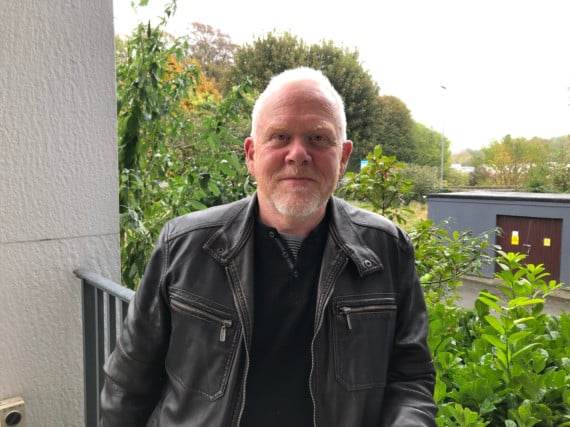
The island is surrounded by an abundant amount of energy sources and isn’t using it, says zero carbon speaker.
Invited by Isle of Man Climate Coalition, Paul Allen of Zero Carbon Britain put points to Tynwald members on how the island can wean itself off fossil fuels and use existing structures.
The Manx government announced a climate emergency in May this year and that the Climate Change Bill will commit to reaching net-zero carbon emissions by 2050.
Having worked with renewable energy for 30 years, Mr Allen shared research and insights to help the island become zero carbon.
 New organ donation law to come into force as island urged to ‘make informed choice’
 Department outlines new education priorities as Tynwald receives updated plan
.jpeg?width=209&height=140&crop=209:145,smart&quality=75) Tynwald rejects referendum on Isle of Man's Net Zero policy
Tynwald rejects referendum on Isle of Man's Net Zero policy Operating the Isle of Man’s Liverpool ferry terminal costs more than £710,000 a year
He has challenged Tynwald to make ’lots of the big changes very quickly’.
His recommendations included low carbon diets, free public transport, transforming buildings, plus having renewable energy from clean energy reserves.
For example wind farms and solar panels.
’You’ll still have what you need, but you’ve got it in a clever 21st Century way,’ he told the Examiner.
’There are so many opportunities here. The Isle of Man is surrounded by an abundant amount of energy sources. It has a backyard of very clean energy.’
He added that other advantages include the island having its own government and 16-year-olds being able to vote and therefore have their voices heard.
Making changes now would not only ’benefit future generations’, he said, but it could make the island a leader in zero carbon.
He suggests that when it comes to creating a climate emergency plan, there should be ’some civic scrutiny of it, a citizens assembly that looks and reflects on it’ so that it is a plan everyone agrees with.
Mr Allen also spoke with 150 sixth formers from the island’s secondary schools at Ballakermeen High School, had a public meeting and met with the Zero Carbon Working Group and Isle of Man Chamber of Commerce.
When questioned about the impact a wind farm could have on the island’s seabed, which has been a heated topic of debate in the island, he replied: ’You could make it into a fish reserve. It’s about multi-solving.’
He added that if the island doesn’t do anything, then habitats will be affected nonetheless.
He believes giving people better access to local food, ’meet the grower’ or ’volunteer on a farm’ events and encouraging cooking lessons would help residents’ wellbeing, form better relationships with farmers and help the island meet it’s zero carbon target.
’It’s about acting now,’ he said.
’Renewables are ready now. You just need someone to say we will do this.’
Comments
This article has no comments yet. Be the first to leave a comment.