
There seems to have been a few dead hedgehogs on our roads of late.
Thankfully most hedgehogs are hibernating at this time of year, but if we have a slightly warmer spell of weather it’s not uncommon for them to wake up and forage for food. The unlucky ones will be run over.
If you see any signs of hedgehog activity in your garden, then please give your visitors a helping hand by leaving out some food – this will also encourage them to stay local and lessen the likelihood of them having to cross dangerous roads.
Dusk is the best time to feed hedgehogs, and if you’re able to co-ordinate your feeding with hedgehog activity so that only hedgehogs get to eat what you put out, rather than the neighbourhood cats or longtails, then non-fishy dog or cat food tins or sachets are perfect. Scattering dried pet food, especially kitten biscuits, is a good option if you’re not sure who is eating the food, as is specialist hedgehog food which cats don’t like.


.jpeg?width=209&height=140&crop=209:145,smart&quality=75)

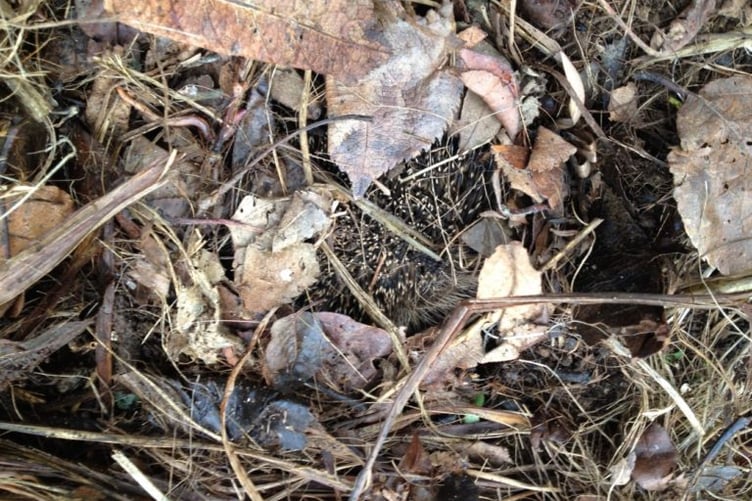
If you inadvertently discover a hedgehog hidden in a pile of leaves, in a compost heap or under your garden shed, it may appear dead.
They don’t need to be warm to hibernate and will drop their body temperature down to match the environmental one.
This allows them to save the energy they would have used in trying to keep warm and lessens the need for them to ‘re-fuel’ and look for food.
When a hedgehog is in hibernation as well as being cold it will be very still, and usual signs of life such as breathing will be almost undetectable.
If a hedgehog is in hibernation it will be curled up with its spines affording protection to its unprotected head and underbelly, and it should be left in peace.
If the hedgehog is uncurled, then it may be in trouble. In such a situation you can verry gently touch its spines and if it is alive and well it will curl up as a reflex action.
If you come across a hedgehog that does not curl up when you touch it, then please make sure it is as protected as possible from the elements under a deep layer of leaves, and leave some food and a shallow bowl of water nearby.
If the animal is obviously injured, then please take it to your nearest vet for emergency treatment which will be provided free of charge.
During the winter months there are lots of things you can do both to attract hedgehogs to your garden in the spring and to protect the ones that already visit:
- Make sure there are hedgehog sized holes (13 x 13cm) in your garden fences, or dig a channel under a boundary wall, so that when hedgehogs come out of hibernation they can roam safely in search of food.
- If you have a garden pond or water trough (or, for that matter, a cattle grid) use a pile of stones, a piece of wood or some chicken wire to provide a ramp so that a hedgehog that falls in can get out.
- Create a hedgehog-friendly, insect-filled wild corner in your garden and don’t cut back all the dead foliage.
- If you are tidying up your garden and want to burn old wood and leaves, please make sure you check the pile before you set it alight in case a hedgehog has crawled in.
- Ensure that any garden netting is at least 13cm above the ground to prevent a hedgehog becoming entangled in it, and check it after stormy weather; and store sports netting away in a shed or garage.
- Stop using chemicals in your garden and if you have slug pellets, lawn treatments or insecticides stored away for the winter then throw them away.
Come the spring, use a natural deterrent instead: soapy water sprayed on rose bushes helps with aphid problems; and copper wire, or one pence coins, placed around plant pots prevents slugs and snails from climbing up.