.jpg?width=94&height=94&crop=1:1,smart&quality=75)

Many excellent books have been written about the TT over the years, and Philip Wain’s illustrated history of the world’s greatest motorcycle road race is among the very best.
The author has a passion for the event, and that is clearly from the opening paragraphs of the 256-page hard-backed publication.
Initially inspired by his father, Phil’s first visit to the Isle of Man for the TT came in his youth when he and his dad
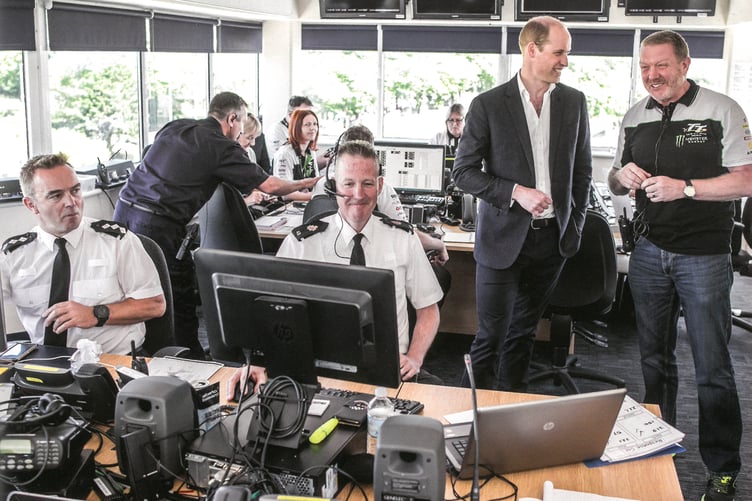
For the past 10 years or more, Phil has been largely responsible for compiling and issuing press releases on the lead up to and during the TT period.
 Organisers bring forward Senior Race as part of revised Isle of Man TT schedule
 Southern 100 organisers follow Isle of Man TT's lead and suspend sidecars from event
 Clerk of the Course clarifies how many laps TT competitors can do in a day
 Southern 100 organisers conducting review into sidecar racing at the event
Consequently, he chats with the leading riders daily during the annual fortnight and earlier in the year when regulars and rookie announce their intentions for the coming season.
John McGuinness MBE wrote the foreword for the book where he said that he has known Phil for almost 30 years, stating that he was as passionate about the event as he was.
Compiled into five main chapters, it goes right back to the very start on the St John’s Course in 1907, then the transition to the Mountain in 1911, with the first chapter naturally ending in 1914 prior to the outbreak of World War One.
Chapter two covers the between-the-war years and emergence of the early superstars of road racing like Stanley Woods, Jimmie Guthrie, Jimmy Simpson and Wal Handley, right up to the German assault on the 1939 event highlighted by Georg Maier’s infamous win on the supercharged BMW.
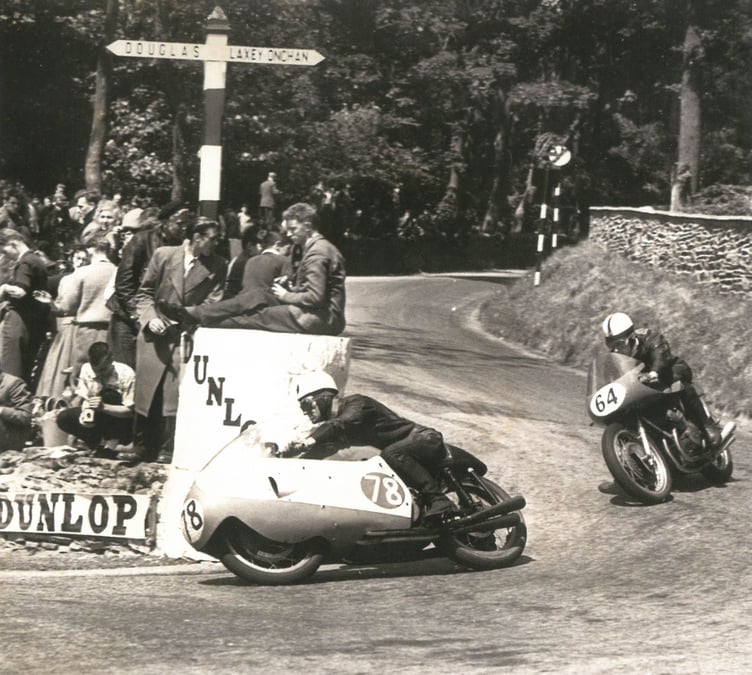
Chapter three, 1947 to 1976 is the most significant with the establishment of the Motorcycle World ‘Grand Prix’ Championship in 1949 when the Isle of Man TT was the inaugural round.
That period also covers the exciting Clypse Course years of the 1950s and the arrival of Honda factory for the first time towards the end of the decade, shortly after Bob McIntyre’s historic first 100mph lap.
The golden years of the GPs in the 1960s were arguably the most glamourous with the memorable duels between Hailwood and Agostini, Ivy and Read, not forgetting the return of sidecars to the Mountain Course and the dominance of the roaring BMW twins of the German and Swiss aces.
The final GP was in 1976, but the TT was far from over and the return of Mike Hailwood in 1978, then the later arrival of the next TT great Joey Dunlop set the event up for many more interesting and incident-packed years.
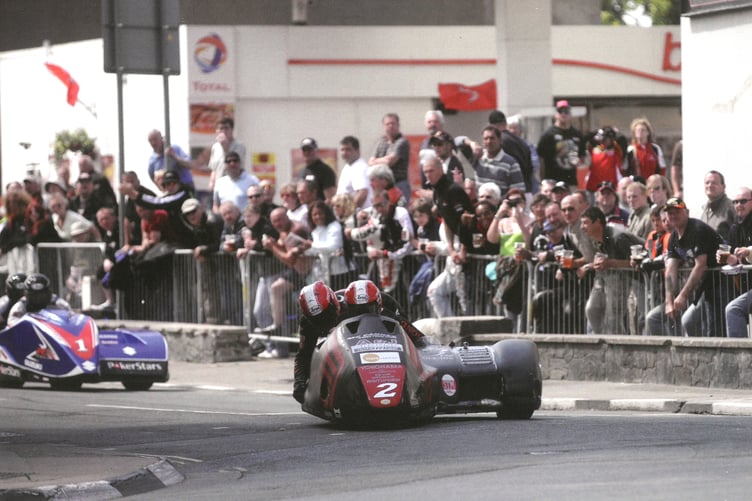
The final chapter is the current one, and Phil has documented the first 125, 130 and 135mph laps, in addition to the short-lived TT Zero and the first sidecar 120mph lap by the Birchall brothers in 2023.
Published by the renowned HarperCollins company of Glasgow, the book is superbly illustrated with many images not seen before in print. It is also broken up with numerous page fact-files on the top riders of each era, the machines they rode and descriptions of the various sectors, the event’s ‘Orange Army’, race regulations, course assessments, safety plans and much more.
It really is a historical publication that leaves no stone uncovered and is full of fascinating facts from cover to cover.
The last words of this review appropriately come from 23-time winner John McGuinness: ‘Other events have come and gone, but not the TT. It’s survived two World Wars, the National Seaman’s stroke, foot-and-mouth and the Covid pandemic, but it’s always bounced back.
‘It’s appeal now is as strong as ever been simply because it is without doubt the greatest event on the motorcycle racing calendar. And long may that continue.’
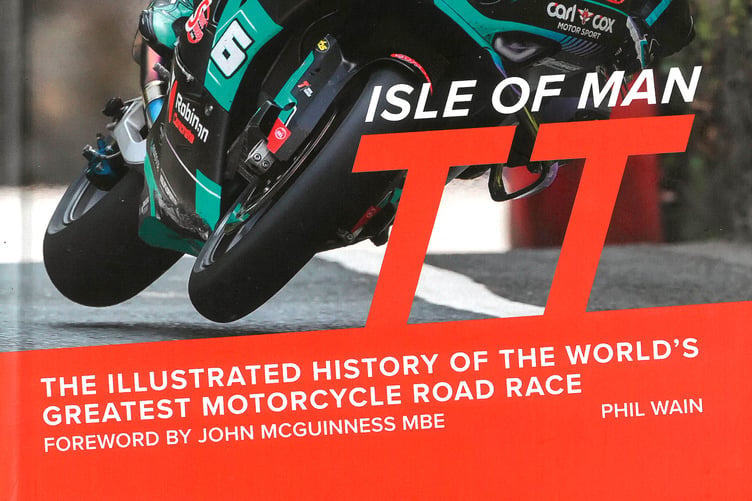
Isle of Man TT, the illustrated history of the world’s greatest motorcycle road race, is available from all good book shops across the island, priced £30. If it’s too heavy to take back in your luggage (it is quite a hefty item), it can be ordered online from www.collins.co.uk (ISBN: 978-0-00-878383-9).
To win a free copy of the book, answer this question: The same rider became the first to lap the Snaefell Mountain Course at 60, 70 and 80mph. Who was he?
Answers by email: [email protected]
Comments
We've recently changed our login process. If you have an account for commenting, you will need to re-register on the login window.
This article has no comments yet. Be the first to leave a comment.