

Editor’s note: The following story features details which some readers might find upsetting.
The father of a 13-year-old girl who took her own life believes the Isle of Man should bring in a ban on social media use for under-16s.
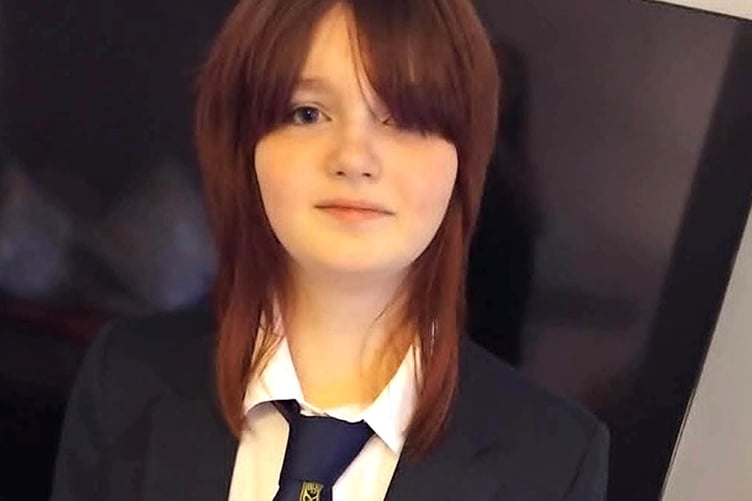
Emily Kelly passed away at her home in Pulrose in October last year and news of the her death shocked the island.
The inquest into her death was held last week just a couple of weeks after Emily’s mum Caroline Kelly passed away.
But Emily’s dad Jonathan McGeown, who lives in Northern Ireland, attended the inquest.
Emily had complained about bullying but there was no suggestion Ballakermeen High School or Child and Adolescent Mental Health Service (CAMHS) had let her down.
Instead, Mr McGeown believes more needs to be done to protect children from social media. Reference was made at the inquest to a rude meme Emily received which had upset her.
Jonathan believes the Isle of Man should follow the UK in banning social media for those under 16 years.
The UK government announced sweeping legislation to ban children under 16 from accessing social media platforms like TikTok, Instagram, Snapchat, Facebook, and X. The ban is expected to take effect in Spring 2027 and includes strict blocks on livestreaming and stranger contact.
.jpeg?width=209&height=140&crop=209:145,smart&quality=75)
Speaking after the inquest, Jonathan said: ‘It was a very sad day. It has been very hard to come to terms with everything.
‘I accept there is no fault from any authority and there was no issue from my point of view over how the school handled it.
‘The school did the best it could and the staff member who gave evidence seemed to be genuine and a good man. We could see how it affected him.
‘For me, it is about social media and people being on their phones all the time. I think the Isle of Man should bring in the same law that the UK is introducing.
‘I believe some of the bullying Emily suffered came from social media. It has to take a lot of the blame.
‘Emily was too young to be seeing some of the things she saw, she was really just a baby.’
Jonathan admits there were details around Emily’s death he was not aware of and has asked for all the documents.
He said: ‘We will never know exactly what happened. I cannot understand it.
‘Emily visited me that summer and just a few weeks later she was dead. She seemed fine when she visited and went on trips and was having fun.
‘She had one moment where she broke down one evening but otherwise she had a good time.
‘I am getting the full report so I can see all the various messages Emily sent and received. There was stuff I didn’t know about.
‘I think parents need to do more, myself included, and check their children’s phones.’
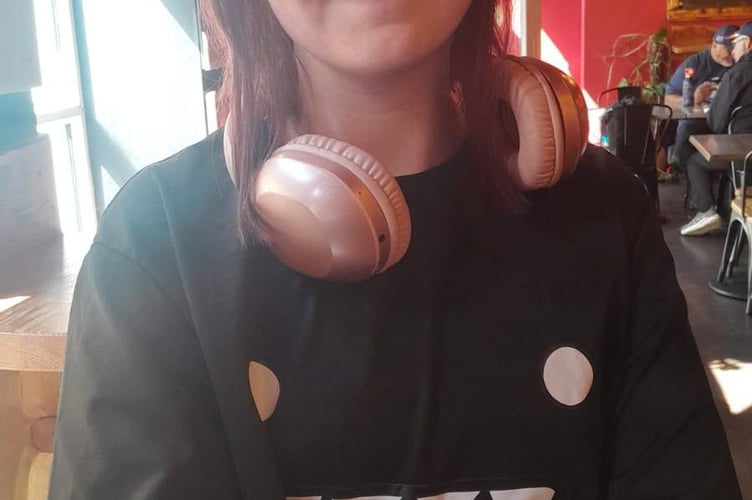
Jonathan also paid an emotional tribute to his daughter.
‘Emily was lovely and so bubbly as well as caring and loyal,’ he said. ‘I will miss her smile and the thumbs up she always gave. But we are in limbo now as we will never see her grow up.’
Emily was born in Northern Ireland and has three older sisters on the Isle of Man with whom Caroline said they all had a ‘close bond’ as well as grandparents. She also has a brother in Northern Ireland, as well as grandparents, cousins, aunties and uncles.
Around a year after Emily was born, Caroline and Jonathan split up. When Emily was four or five years old, she and her mum moved back to the island.
The inquest heard that, while still very young, Emily was diagnosed with autism and Attention Deficit and Hyperactivity Disorder (ADHD) and had been with CAMHS since 2017.
Emily attended Anagh Coar Primary School before transitioning to Ballakermeen High School. She and mum Caroline also moved to Pulrose around this time.
In her statement, Caroline said: ‘Emily was a funny little girl who was so caring, particularly to animals.’
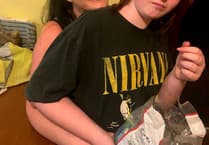
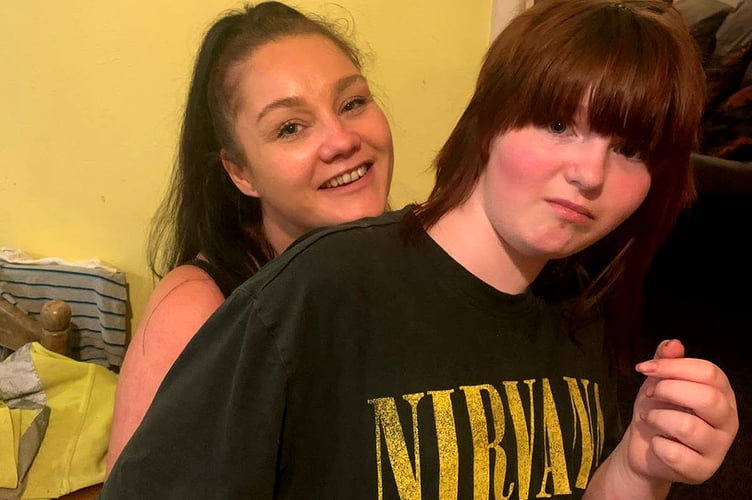
Around 10 years old, Emily became what Caroline described as ‘Emo’ and was listening to the likes of Nirvana and Kate Bush.
Caroline said: ‘Emily preferred one-to-one interaction rather than large gatherings. She was strong-willed and not shy about giving her opinion which I admired about her.’
The transition to high school was difficult and overwhelming for Emily but Caroline said her sisters also found the change challenging.
Around this time Emily decided she did not want to be on any medication, saying it ‘affected her personality’.
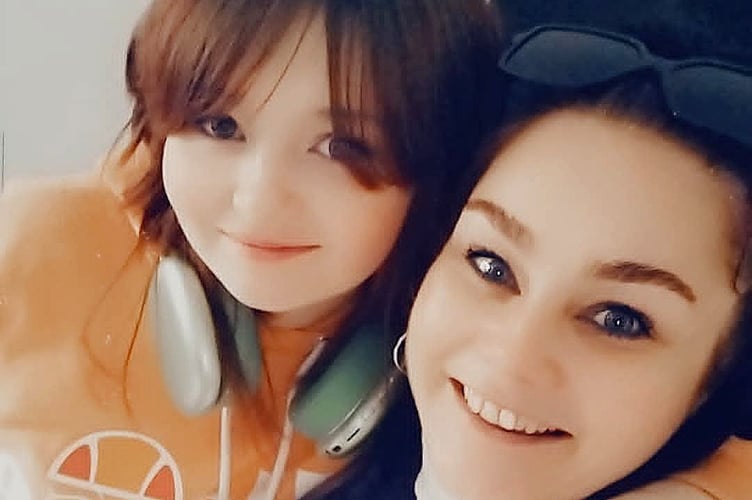
Caroline also said Emily mentioned she was being bullied at school.
In her statement, Caroline said: ‘She said a group of kids were bullying her but it was verbal only. I reported it to the school numerous times. But Emily remained the same girl she has always been.’
Emily had always struggled to make friends but she started bringing a friend home when she was in Year 8 and Caroline said ‘she seemed very happy in their company’.
She also developed another close friendship and told her mum she had a girlfriend which ‘made her very happy’.
But at the start of the new year in September 2025, Caroline says Emily’s attitude changed.
She said: ‘I noticed a big change and I had to force Emily to go to school and she came home complaining about the same group of people bullying her.’
But Emily joined a large of group of family and friends at the end of September for a holiday to Majorca where she ‘appeared to be happy’.
Caroline said: ‘There were no concerns over her behaviour and the whole family had a lovely time.’
On returning home on October 10, Caroline said she did not noticing anything unusual.
On October 14, Caroline said she went to spend the night with her partner which she had done a few times and Emily’s grandparents were just two doors away.
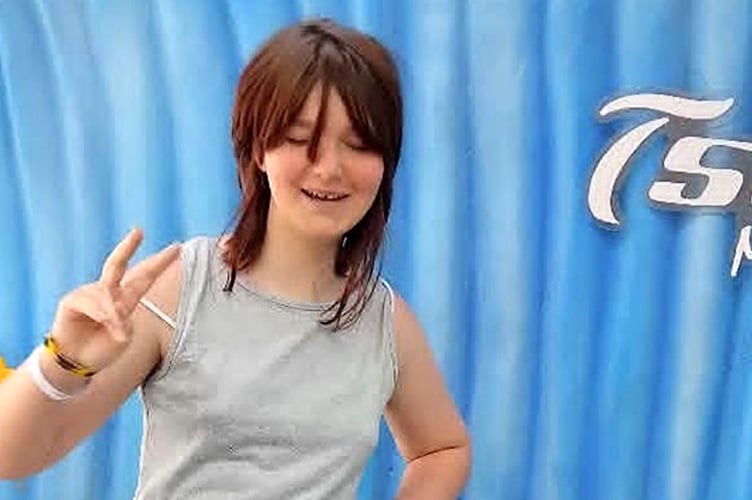
Later that evening, Caroline had a video chat with Emily and asked her if she was okay and Emily replied she was fine.
‘She seemed the same Emily as ever,’ Caroline said in her statement.
But when Caroline returned home the next day, she found Emily unresponsive on the kitchen floor.
She said: ‘I ran out screaming for help, banging on doors and windows. The whole incident was a blur.’
In her statement Caroline reflected on the loss of Emily and the impact it has had.
She said: ‘Emily was a calming influence on me and she was so caring. I have lost part of me, I have lost my little girl and my best friend.’
In his statement Jonathan did not see Emily for a while after she and Caroline moved back to the Isle of Man.
But Caroline got back in touch and Emily began visiting her dad in Northern Ireland during the summer.
On the day Emily died, the inquest heard how neighbours ran to help on the morning of October 15, 2025. One neighbour spent almost 30 minutes giving CPR while aided by another neighbour. Others called 999 as they desperately tried to save Emily.
In his statement, one neighbour said: ‘I find it really concerning and worrying that young people find this is the only way out and think this way.
‘It has changed me as a person and I have been focussing on my own children by engaging and speaking with them.’
Statements were also taken from Emily’s friends.
One said: ‘She was really funny and always made you feel like you mattered.’
But shortly after returning from her Majorca holiday one friend said: ‘Emily told me she had been hurting herself and felt she did not belong and felt like a different entity.’
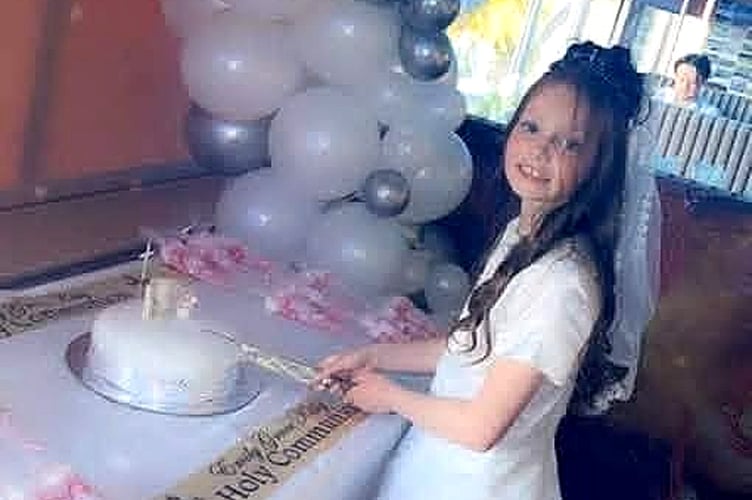
Emily sent a WhatsApp message to two friends in the early hours of October 15 indicating she’d had enough.
One friend added: ‘I miss Emily every single day and wish I could hug her one more time and tell her she was never alone.’
Ballakermeen High School’s deputy special needs coordinator Richard Potts gave evidence at the inquest.
He said he saw Emily almost every day at school. Part of Emily’s condition meant she did not perceive danger very well and would unwittingly walk out into the road. Due to this, the school arranged transport to and from school.
Mr Potts said Emily spent much of her time in the learning support centre at the school although she attended mainstream lessons given she was academically capable.
He said: ‘Emily needed more support around understanding social situations than routine learning.’
Mr Potts also explained that Emily did not always recognise the close friendships she had which made her feel more lonely than she actually was.
He said: ‘Her understanding of friendships did not always mirror reality. She had more friends than she realised.’
Emily also had a pass which allowed her to leave classes early if she felt overwhelmed.
Mr Potts told the inquest there were a few isolated incidents where Emily felt she had been bullied which had been resolved while on another occasion she was sent an inappropriate meme which upset her.
Mr Potts did admit Emily was not offered in class support during year 9 due to pressures elsewhere but she still had access to the learning support centre.
Emily was referred to the talk service, independent of the school, which allows students to speak to a professional.
Mr Potts explained that Emily would read more into situations than her peers would and some incidents, which other students may shrug off, would really upset her. But he said that was not to minimise the impact they had on her.
Mr Potts said: ‘The school is devastated by the loss of Emily and we send our condolences to her family.’
Emily had indicated she wanted to go back on medication and CAHMS referred Emily to Isle Listen. An appointment was arranged with her but she sadly died before that took place.
A postmortem and toxicology tests were carried out which found Emily died of an overdose of prescribed and over the counter medication.
Coroner James Brooks concluded Emily’s death was the result of suicide.
He acknowledged Emily had reported incidents of bullying to family and friends and that ‘she was not always happy at school’.
But he said Ballakermeen was aware of the difficulties she faced and provided her with support. He said incidents of bullying were tackled but some were more difficult to deal with as they appeared fairly minor but had a more profound impact on Emily.
Mr Brook also said mental health support had been made available through CAHMS but suggested perhaps she was not as open with the adults in her life as she was with friends and hid some of her problems.
In his summing up, Mr Brooks said: ‘Late in the summer of 2025 she began to have thoughts about ending her own life. Why those thoughts came to Emily is difficult to determine.
‘But she said she was tired of being different, felt useless and did not belong. She had difficulties in her sense of identity. These feelings affected her more than others without her condition who would be able to rationalise them a bit more.
‘I am satisfied Emily intended to end her own life.’
Mr Brooks also praised all those who tried to save Emily that day, particularly the neighbour who gave her CPR.
At the end of the hearing, Mr Brooks said: ‘I have spent a lot of time trying to find the right words but I have failed. I do not think any words could adequately sum up the loss her family and friends have felt. I know Emily was kind, funny loyal and well-loved and her loss is immeasurable.’
If you need support, visit: www.gov.im/wellbeingsupport for details of organisations that can help.